Power Quality for Manufacturing
Efficiency. Safety. Sustainability.
In manufacturing environments, power quality directly affects production uptime, equipment longevity and operating costs.
Australian manufacturers operate in a challenging landscape. Energy costs continue to rise, demand charges eat into margins, and equipment failures can halt production lines without warning. When electrical issues like poor power factor, harmonic distortion or voltage instability go unaddressed, the consequences compound: unplanned shutdowns, damaged machinery, inflated electricity bills and missed production targets.
Quality Energy helps Australian manufacturers identify power quality risks and implement solutions that protect production, reduce energy costs and support long-term operational resilience.
Why Power Quality Is Critical in Manufacturing Environments
Modern manufacturing facilities operate dense electrical networks with high concentrations of non-linear loads. Variable speed drives controlling pumps, fans and conveyors generate harmonics. Large motors create inrush currents and reactive power demand. Welding equipment, CNC machines and process heating systems all place stress on the electrical infrastructure.
When power quality deteriorates, manufacturers face immediate operational and financial consequences. Production equipment malfunctions or shuts down unexpectedly. Demand charges rise as poor power factor inflates peak kVA readings. Network operators issue compliance warnings for harmonic distortion. Transformers and switchboards overheat, limiting capacity for future expansion. And equipment that should last decades fails prematurely, bringing forward capital expenditure.
For manufacturers already managing tight margins and competitive pressure, poor power quality represents a cost that can be measured, managed and reduced.
Power Quality Challenges Across Australian Manufacturing
Different manufacturing sectors face distinct power quality challenges, though the underlying issues are often the same.
Please put these in icon boxes
Food & Beverage Manufacturing
Australia's largest manufacturing sector, relies on refrigeration, processing equipment and packaging lines that operate continuously. Facilities like dairy processors, bakeries and beverage plants depend on stable power to maintain product quality and food safety compliance. Harmonic distortion from variable speed drives and poor power factor from refrigeration compressors are common issues.
Metal Fabrication & Heavy Manufacturing
Operations in this industry use welding equipment, presses, CNC machines and large motors that create significant electrical disturbance. These facilities often experience voltage sags, flicker and high reactive power demand that drives up electricity costs and limits available transformer capacity.
Plastics and Polymer Manufacturing
Extrusion, injection moulding and processing equipment have variable loads. Poor power factor and harmonic distortion can cause equipment malfunctions and quality control issues, while demand charges represent a significant cost for energy-intensive operations.
Textile Manufacturing
Requires consistent power quality for spinning, weaving and finishing equipment. Voltage instability affects product quality, while high energy costs make efficiency improvements essential for competitiveness.
Electricity Challenges for Manufacturers Across Australia
Australian manufacturers face different tariff structures and network conditions depending on their location.
Victoria: CitiPower and Powercor moved to kVA-based network tariffs for medium to large business customers, meaning manufacturers with poor power factor saw immediate increases in demand charges. Facilities that previously paid based on real power (kW) now pay based on apparent power (kVA), making power factor correction essential for cost control.
Queensland: Energex and Ergon Energy apply demand tariffs that measure the largest amount of electricity drawn at any point during set periods. Manufacturers operating during peak demand windows face significant charges that can be reduced through power factor correction and load management strategies.
New South Wales: Large manufacturers on demand tariffs face similar kVA-based charging structures. Facilities in industrial areas across Western Sydney, the Hunter Region and Wollongong often operate older electrical infrastructure where power quality improvements deliver immediate returns.
South Australia: Higher wholesale electricity costs and network charges make energy efficiency a priority for SA manufacturers. Power factor correction and solar installations deliver faster payback periods compared to other states.
Signs Your Manufacturing Facility May Have a Power Quality Issue
If your facility is experiencing any of the following, a power quality problem may be present:
- Unexplained equipment malfunctions or production shutdowns
- Circuit breakers tripping during high-demand production periods
- Rising demand charges despite stable energy consumption
- Overheating transformers, switchboards or motors
- Network operator warnings about power factor or harmonic levels
- Equipment reaching end of life earlier than expected
These issues are measurable with the right monitoring equipment. A
Power Quality Audit identifies exactly what's happening and where.
How We Diagnose (and De-Risk) Your Manufacturing Facility
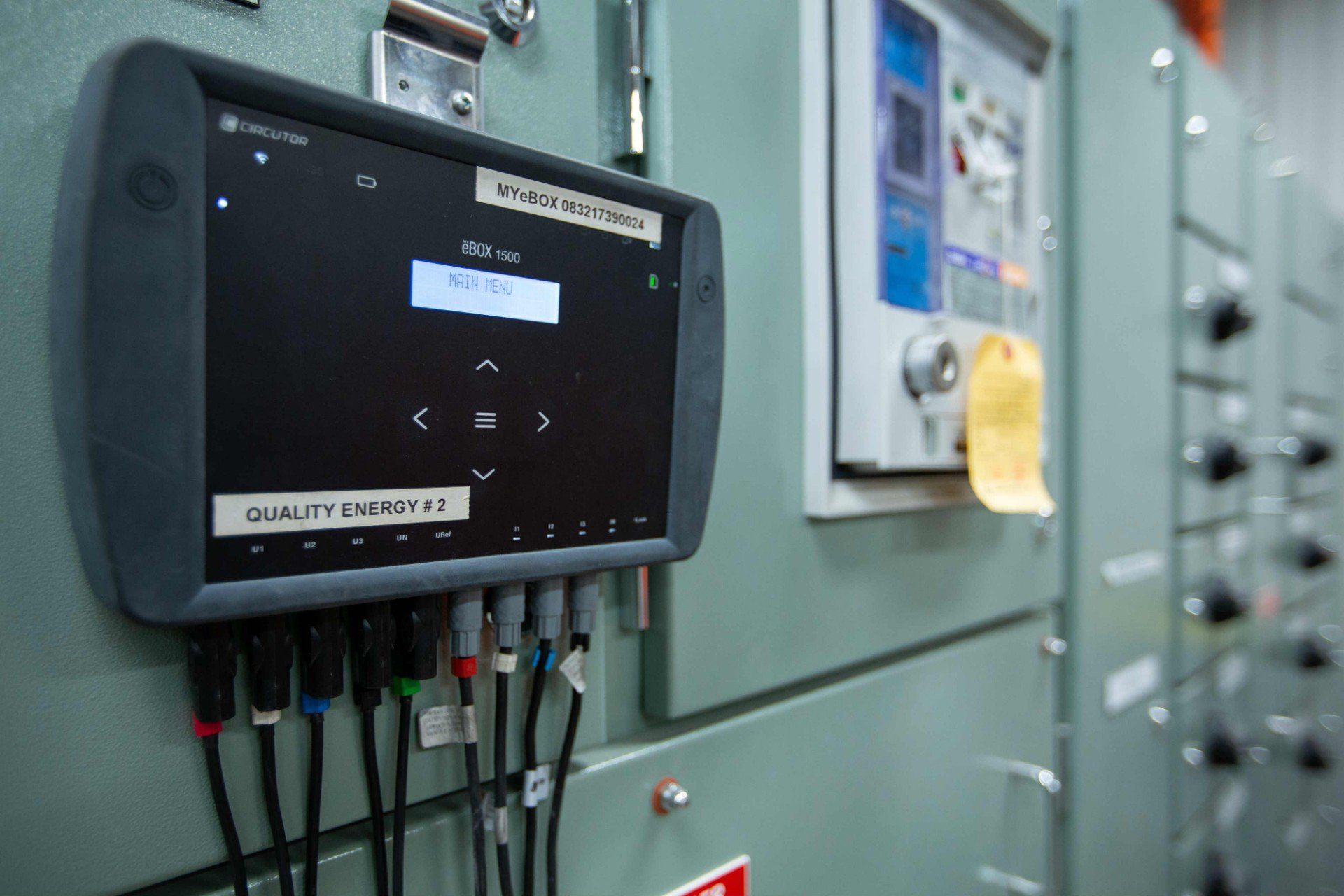
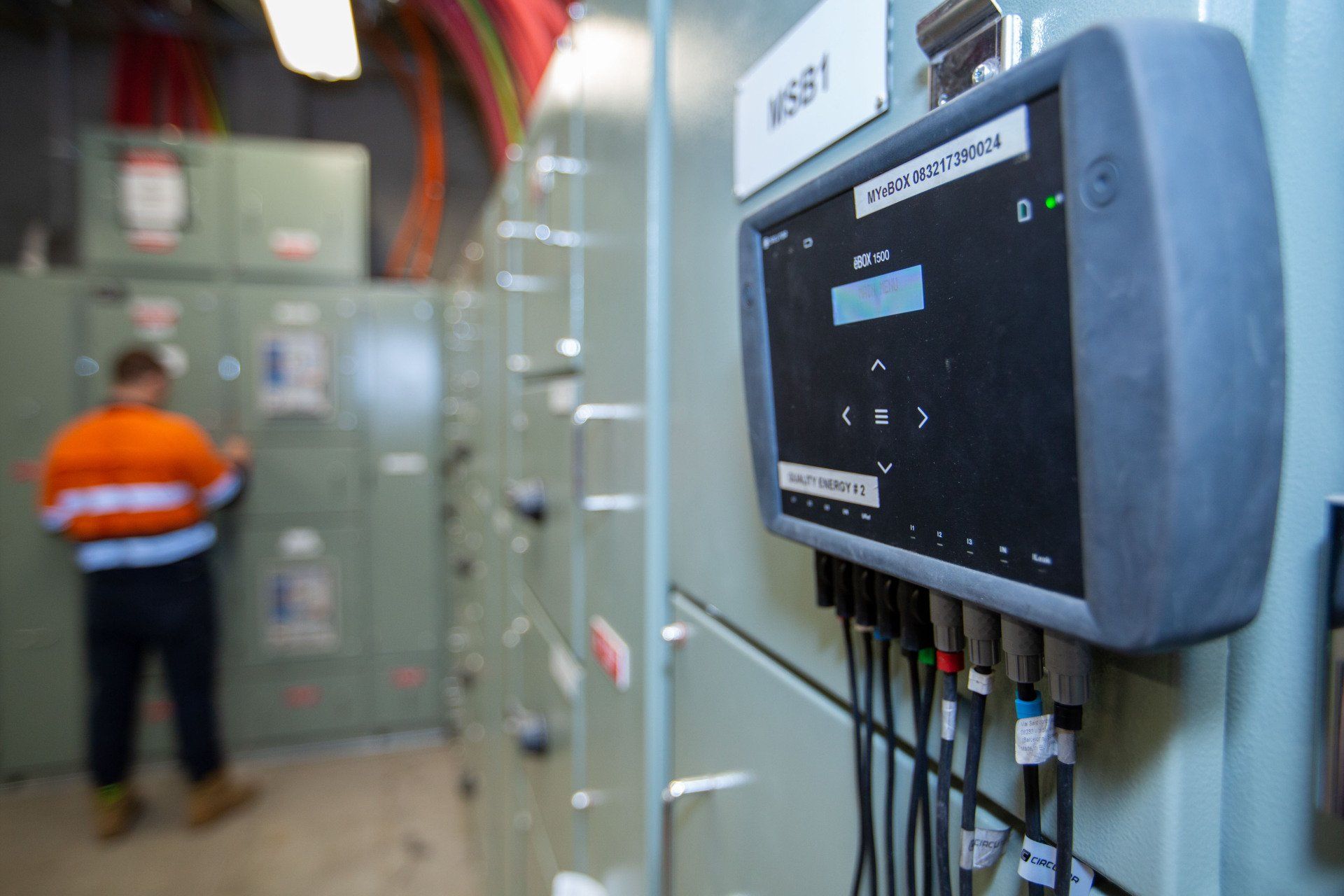
- Power quality audit and monitoring: We install high-resolution power quality monitors on main switchboards and distribution boards to capture voltage, current, THD, power factor and load profiles under real production conditions across different shifts and seasons.
- Root-cause analysis: Our engineers identify the source of power quality issues. Common culprits in manufacturing include variable speed drives, welding equipment, large motors, process heating systems and production machinery with non-linear loads.
- Data-driven solution design: Solutions are sized and specified based on measured data, ensuring the right fix is applied where it's needed. This approach avoids over-engineering and ensures compliance with network operator requirements while delivering measurable return on investment.
- Production-focused implementation: Works are planned around production schedules to minimise downtime. Equipment is manufactured and tested at our Moorabbin factory before arriving on site, reducing installation time and risk.
Power Quality Solutions for Manufacturing
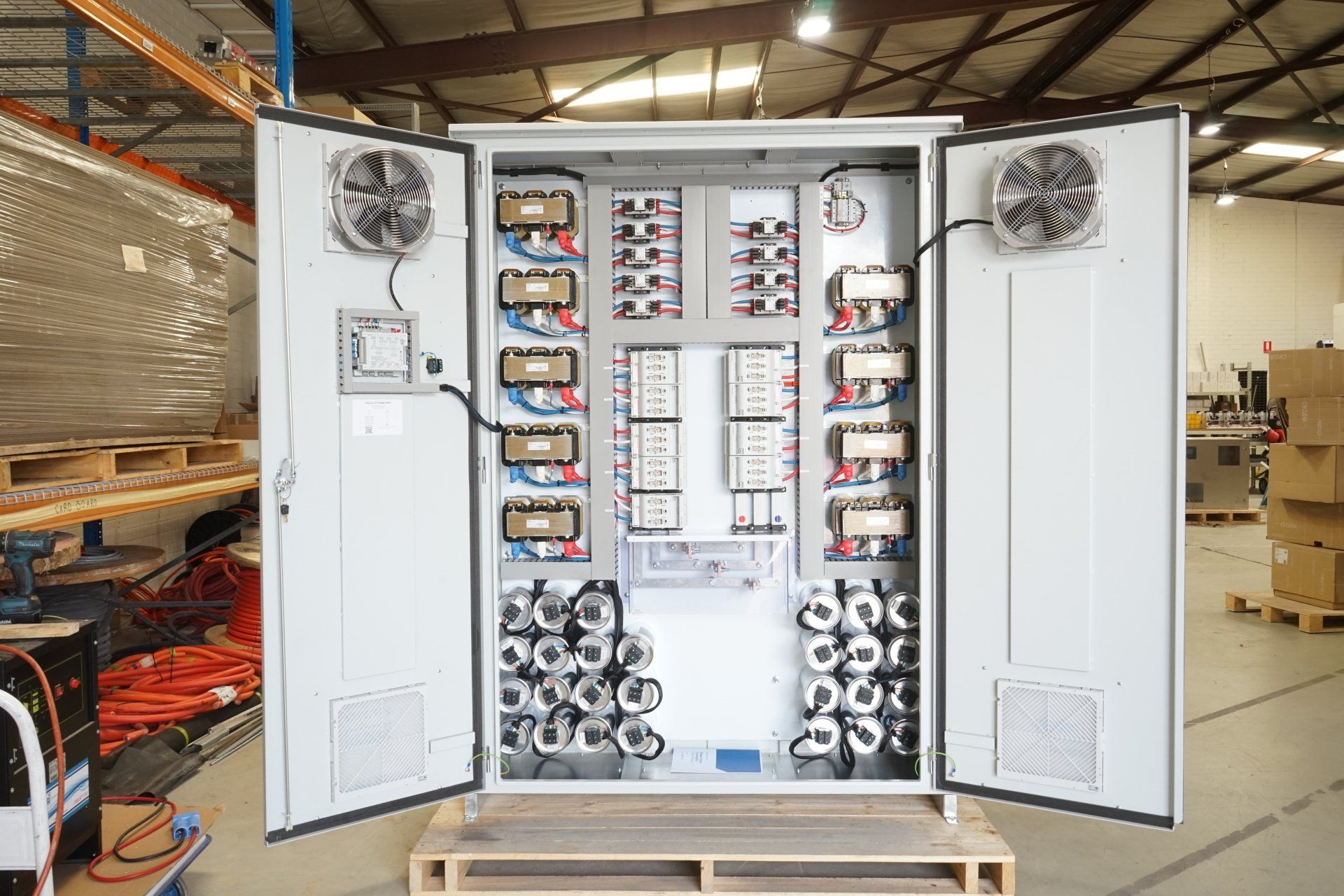
Designed and manufactured in Moorabbin, our systems are built for reliability and long-term performance in demanding industrial environments.
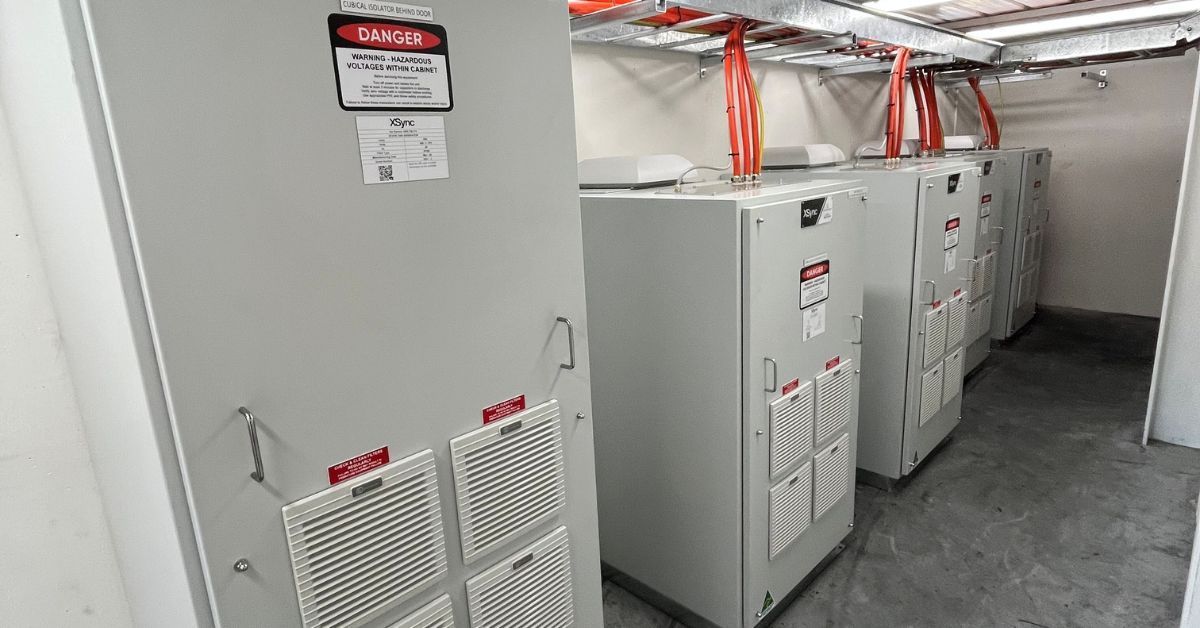
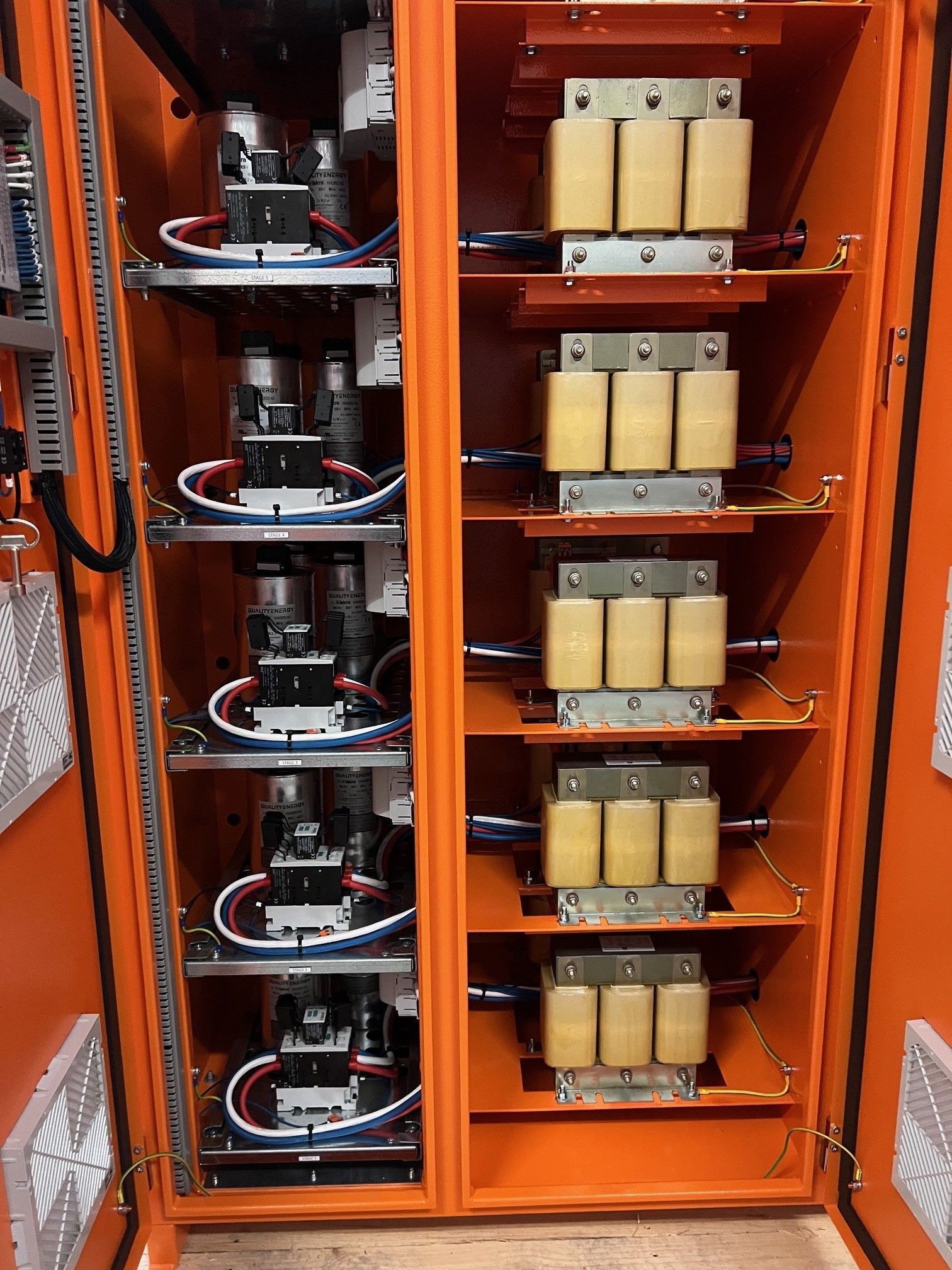
Power Factor Correction
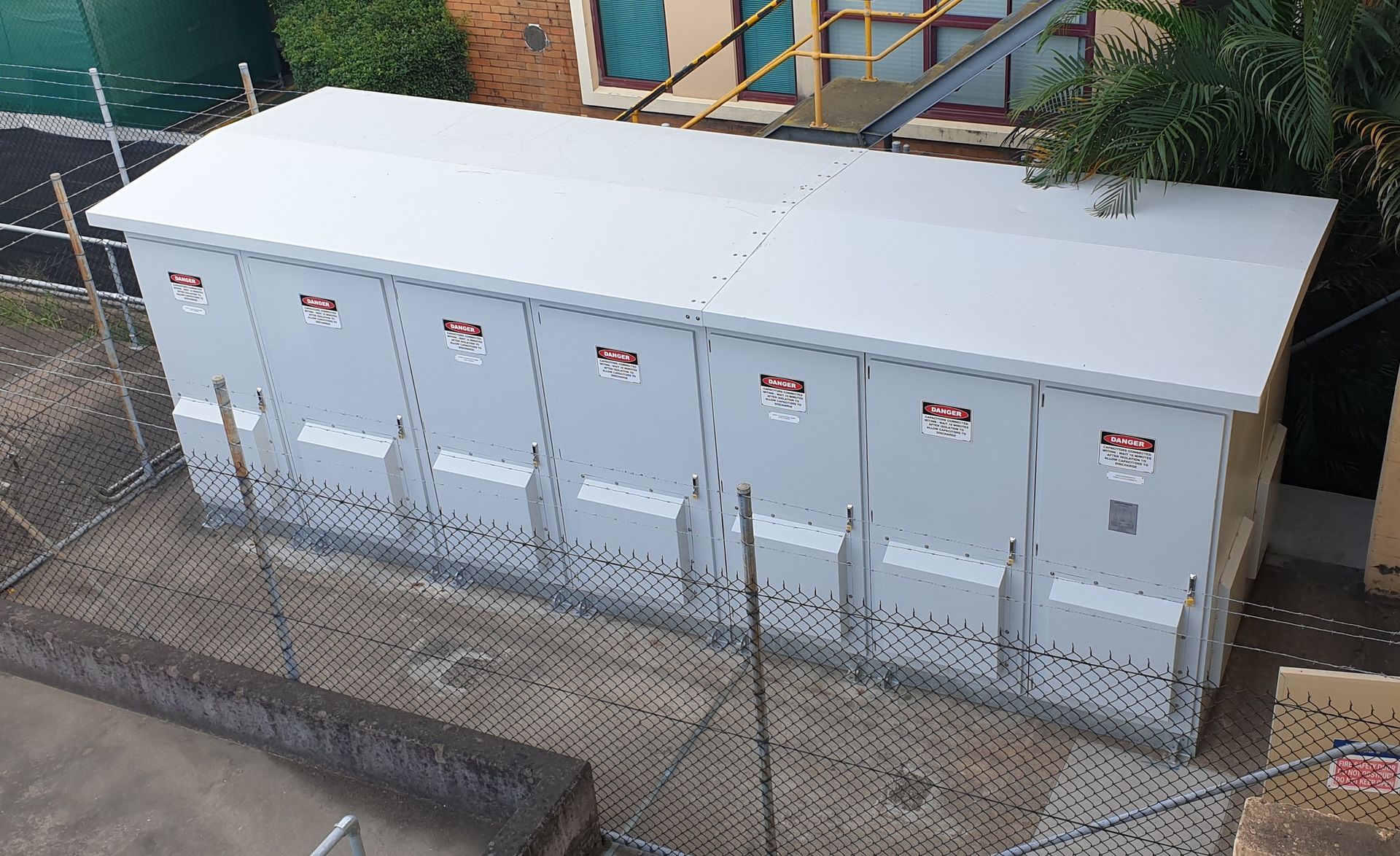
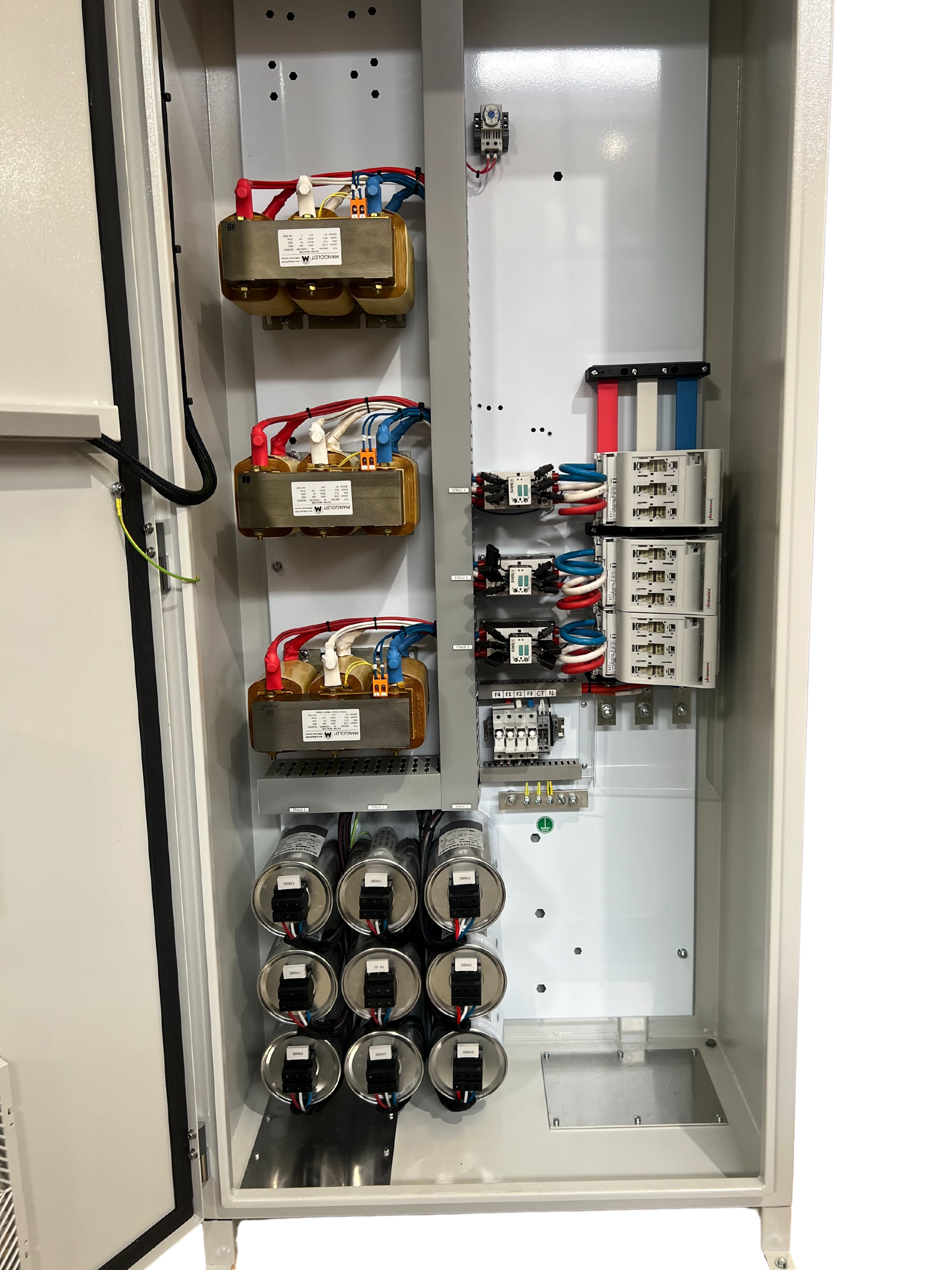
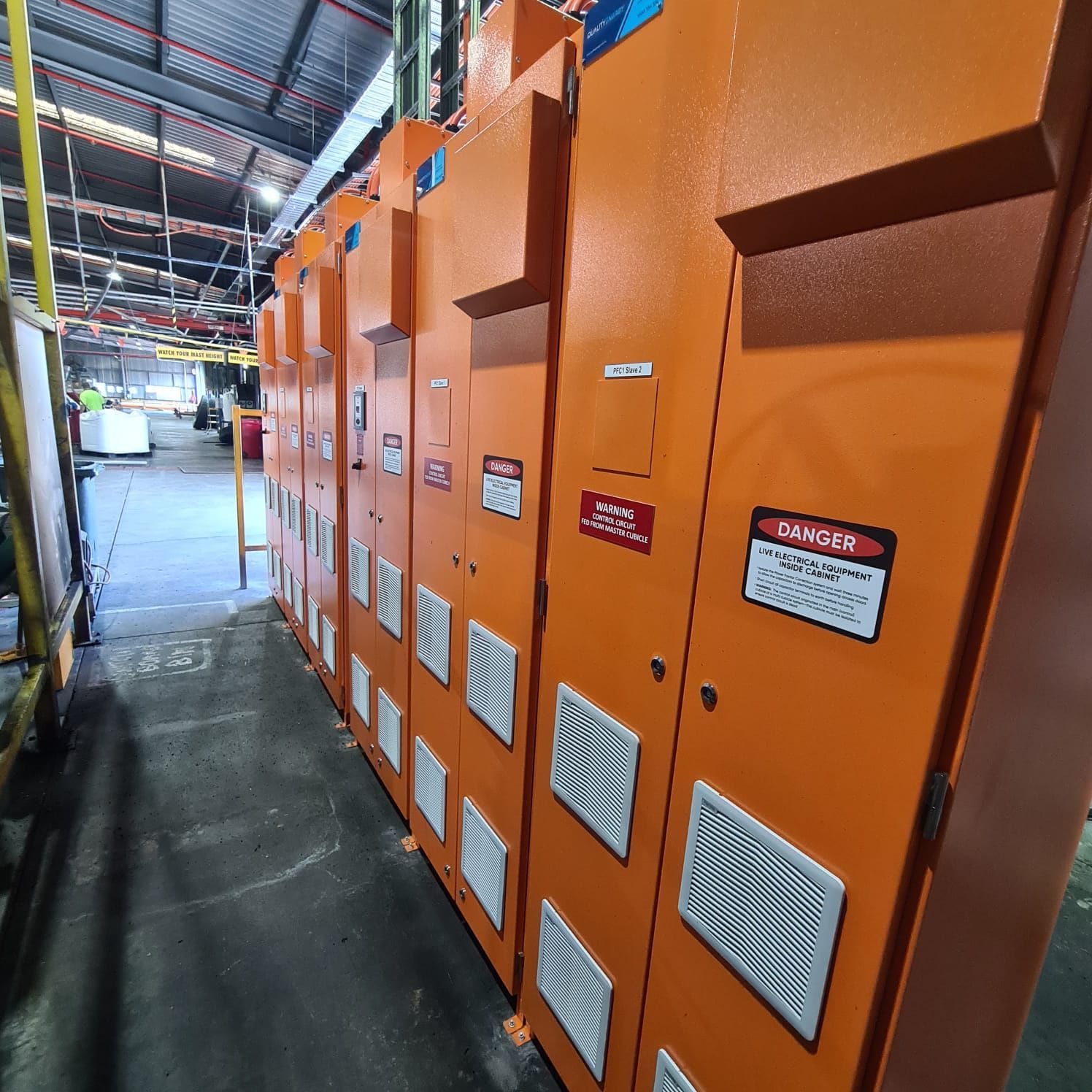
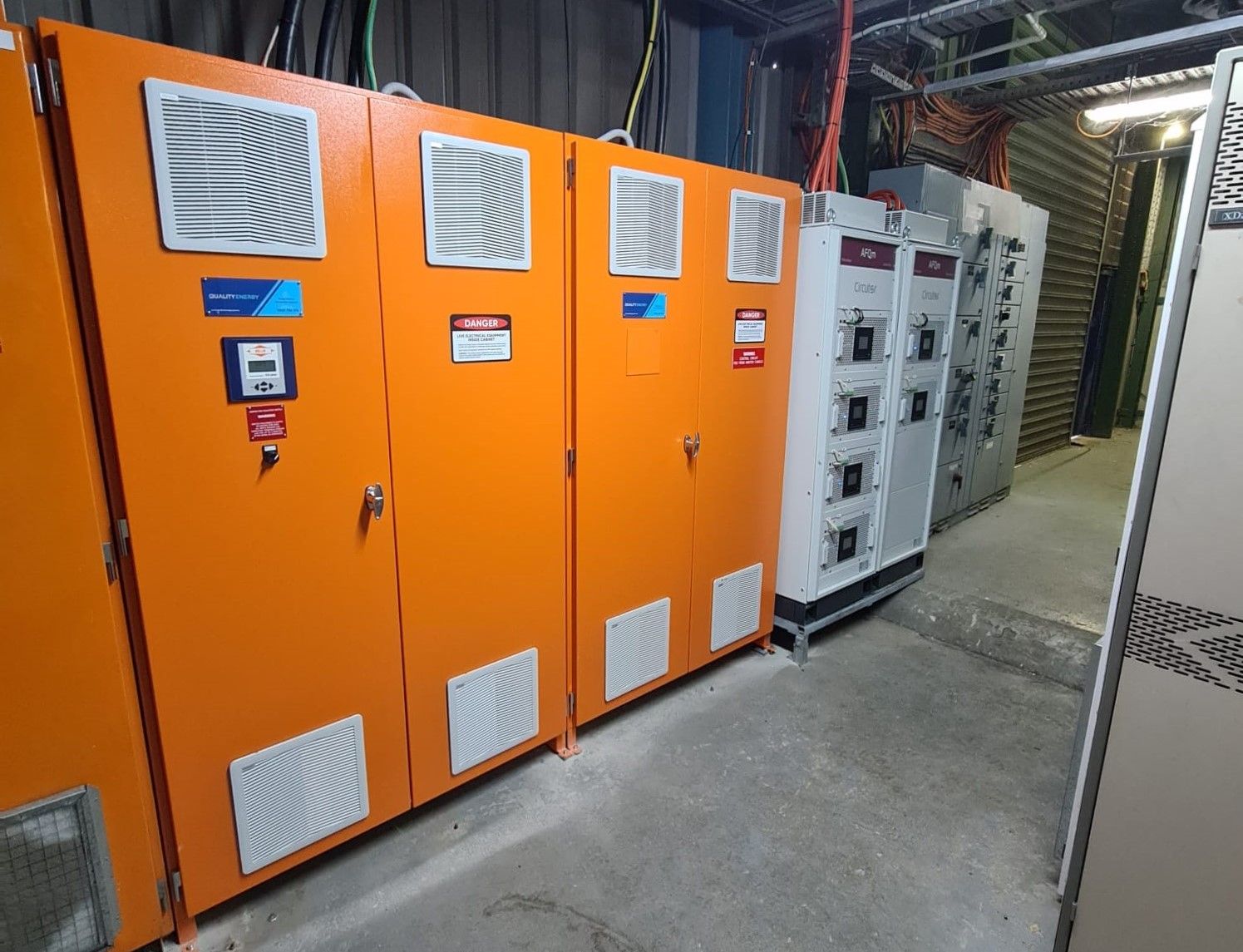
Reduces reactive power (kVAr) demand to lower electricity bills and free up network capacity. Our
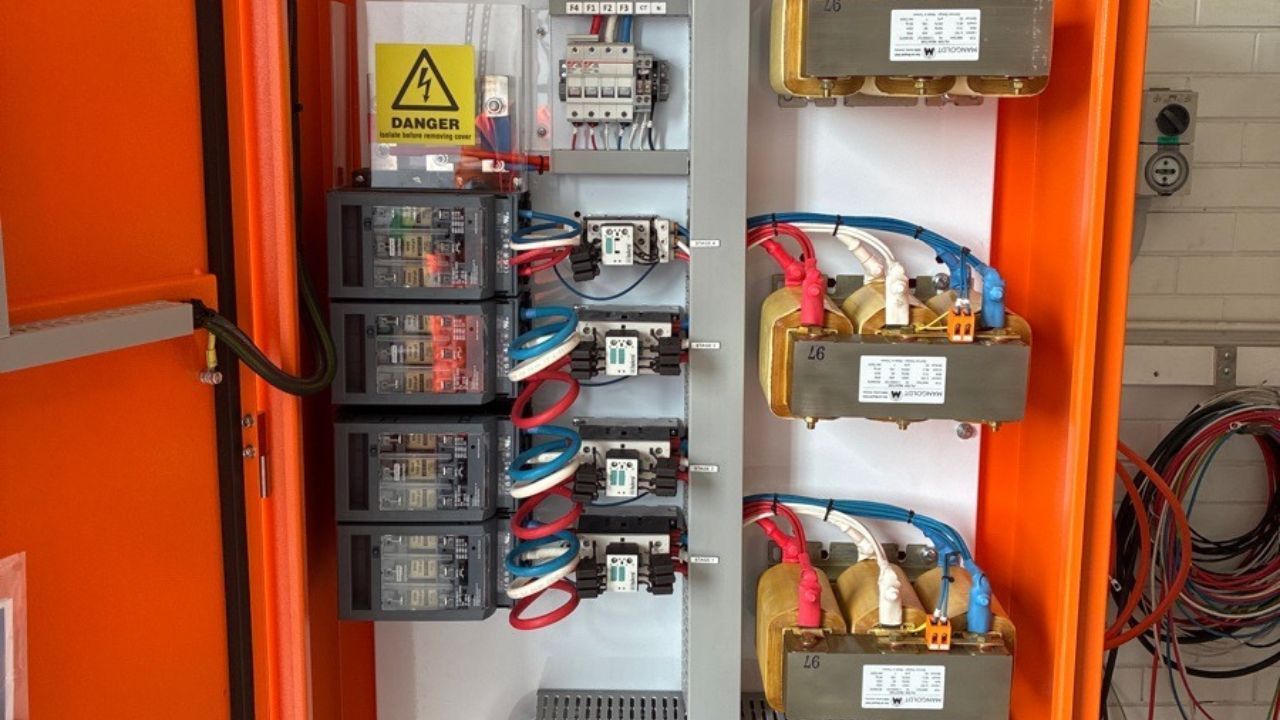
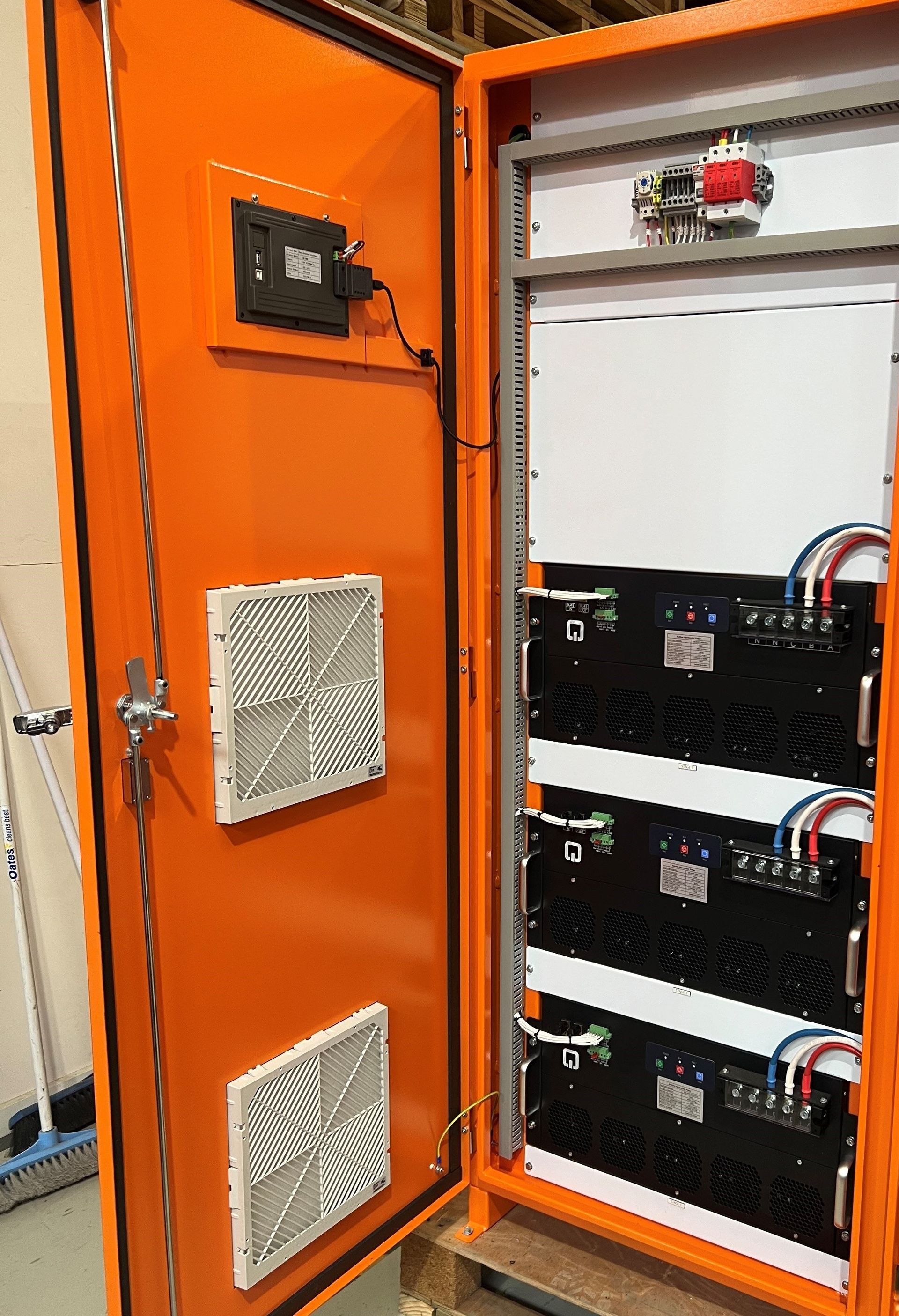
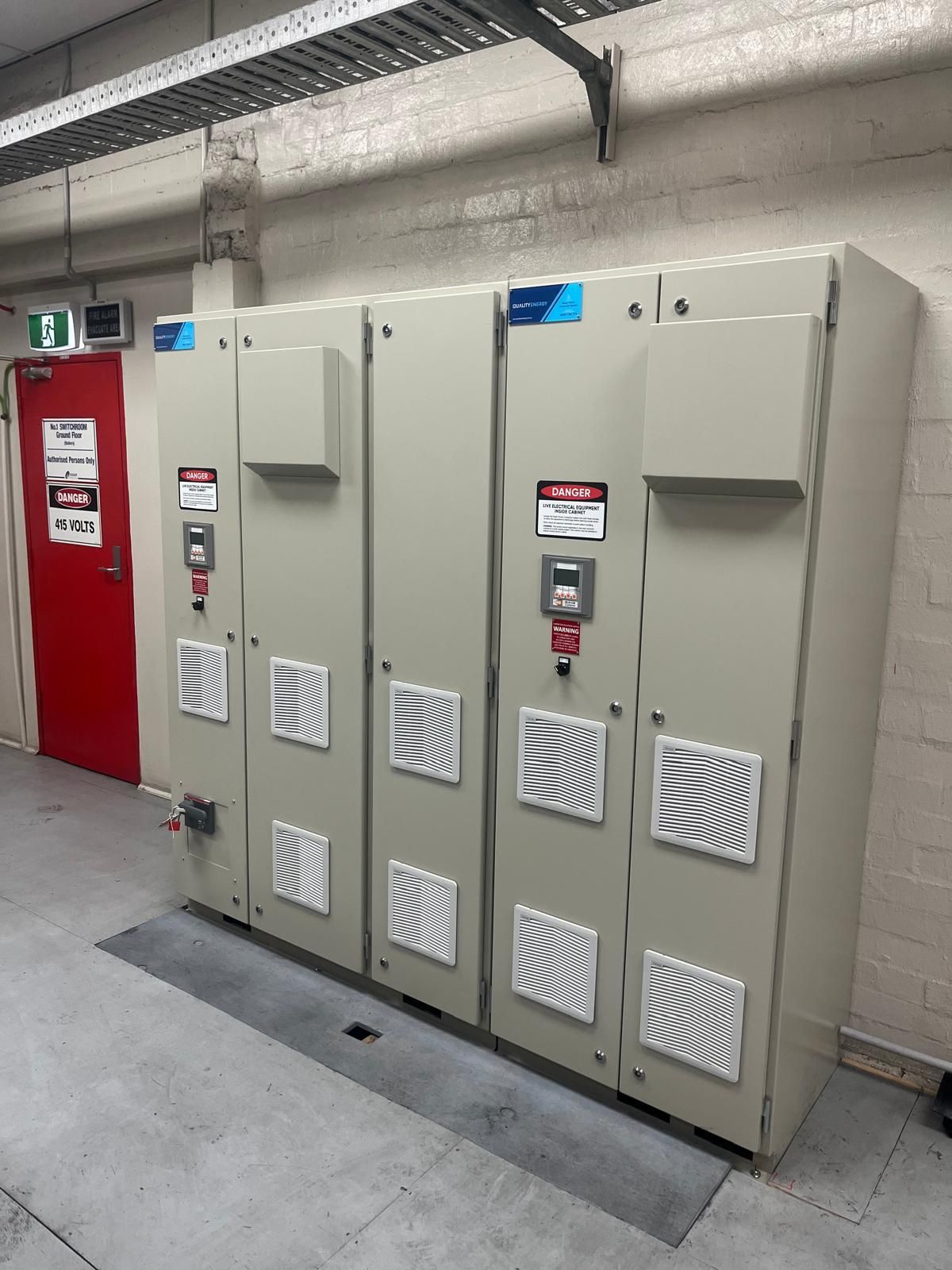
ECO and MOD PFC systems range from 50kVAr to over 1MVAr and are custom-designed for each facility's load profile and production patterns.
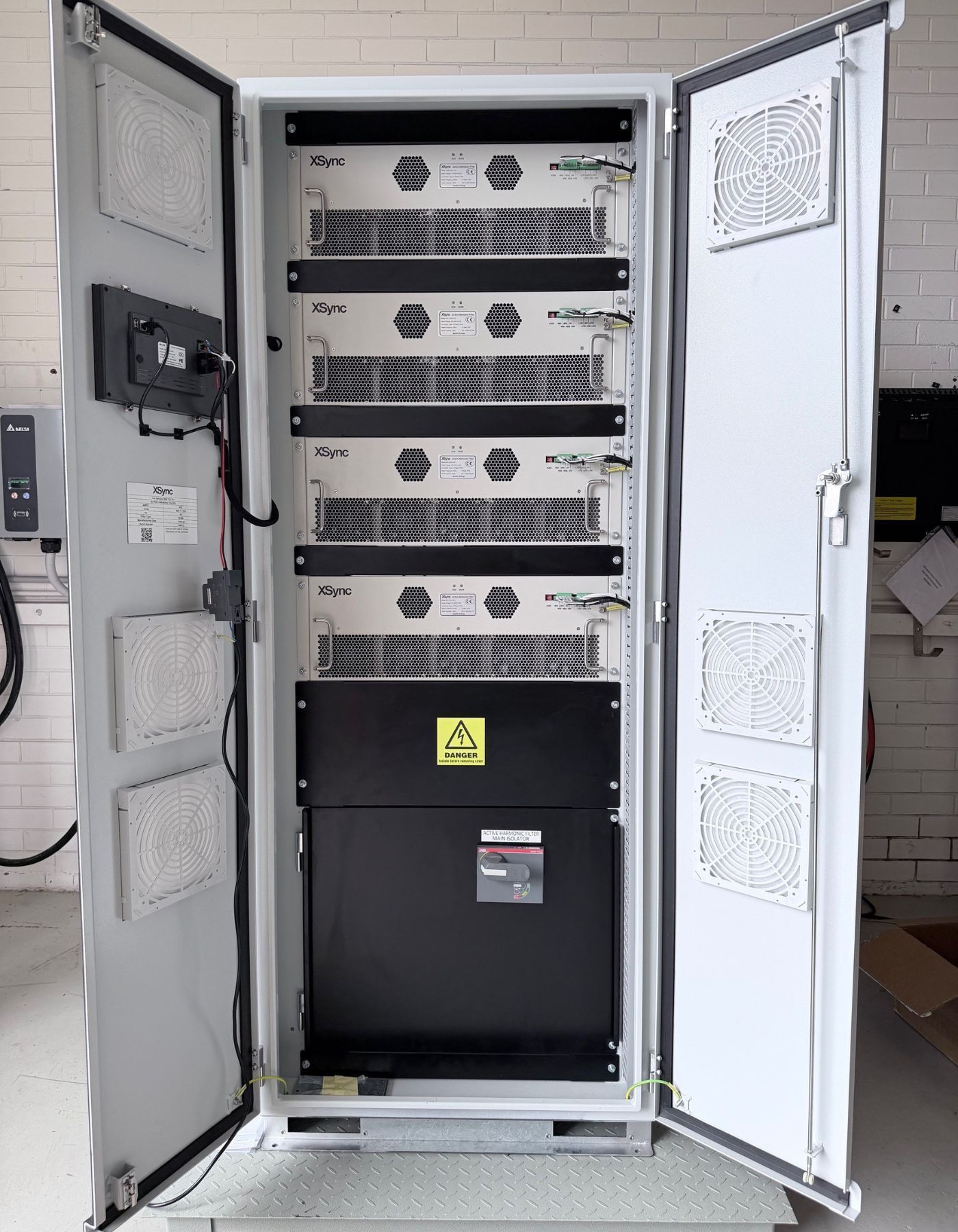
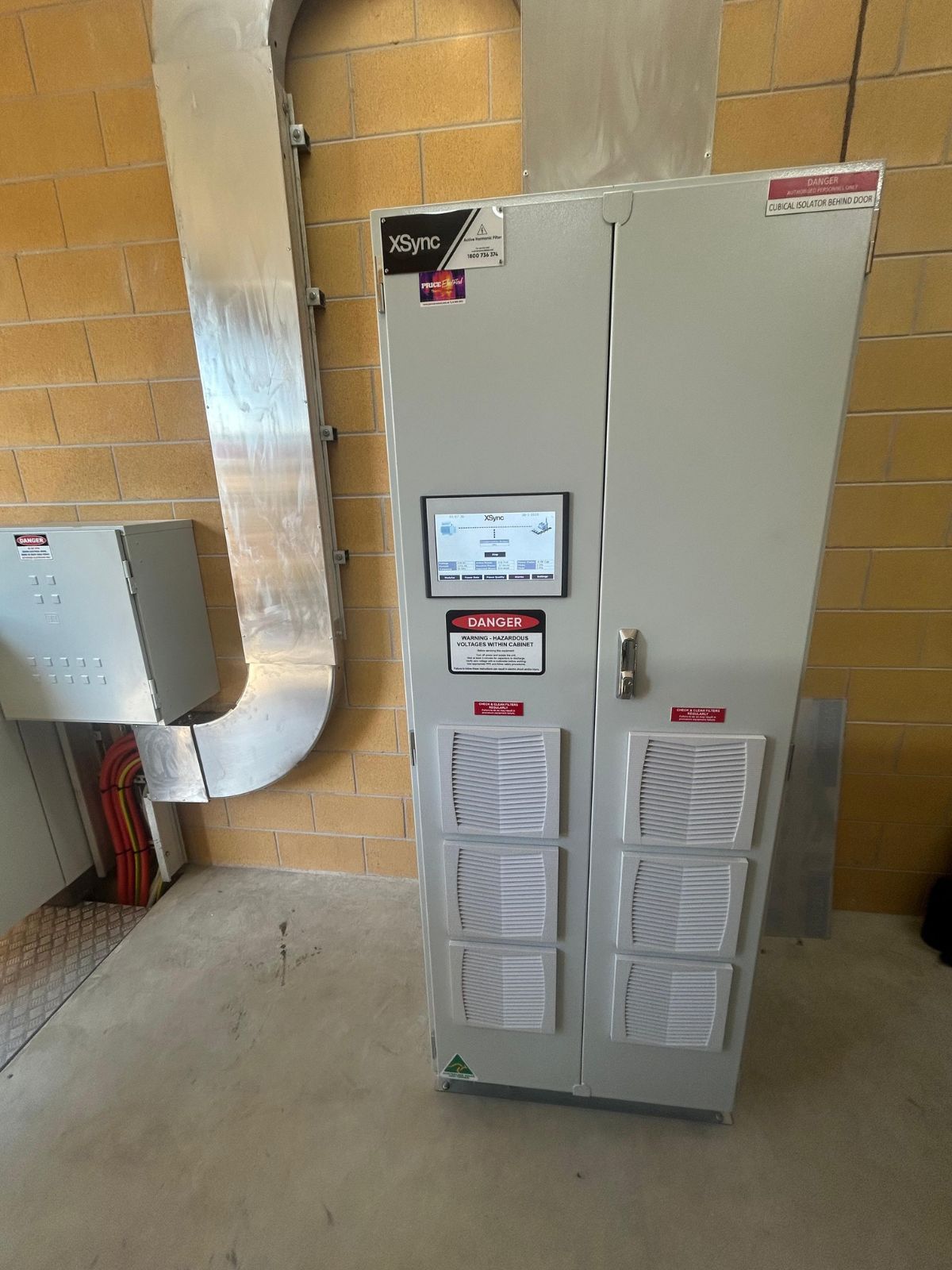
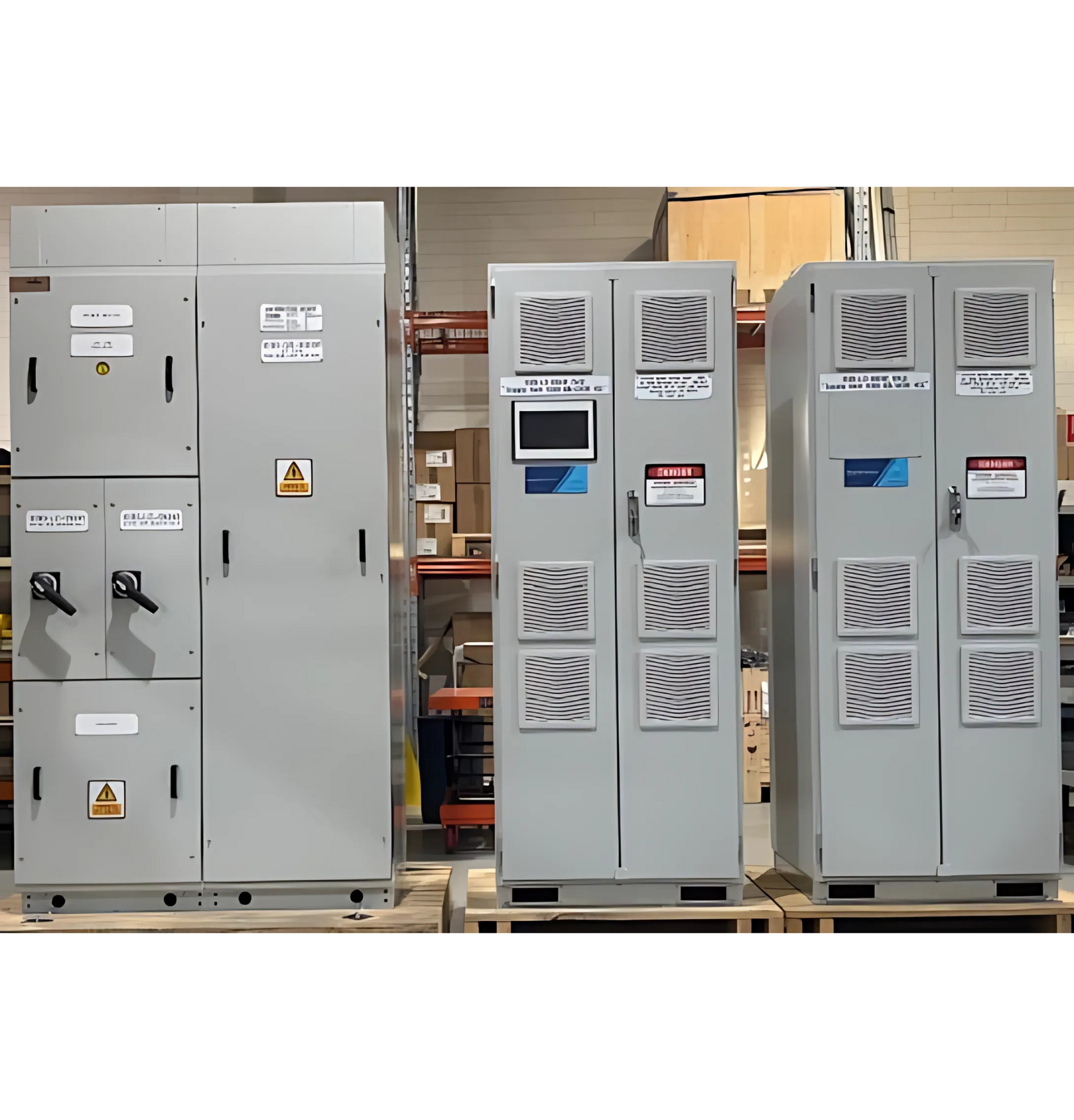
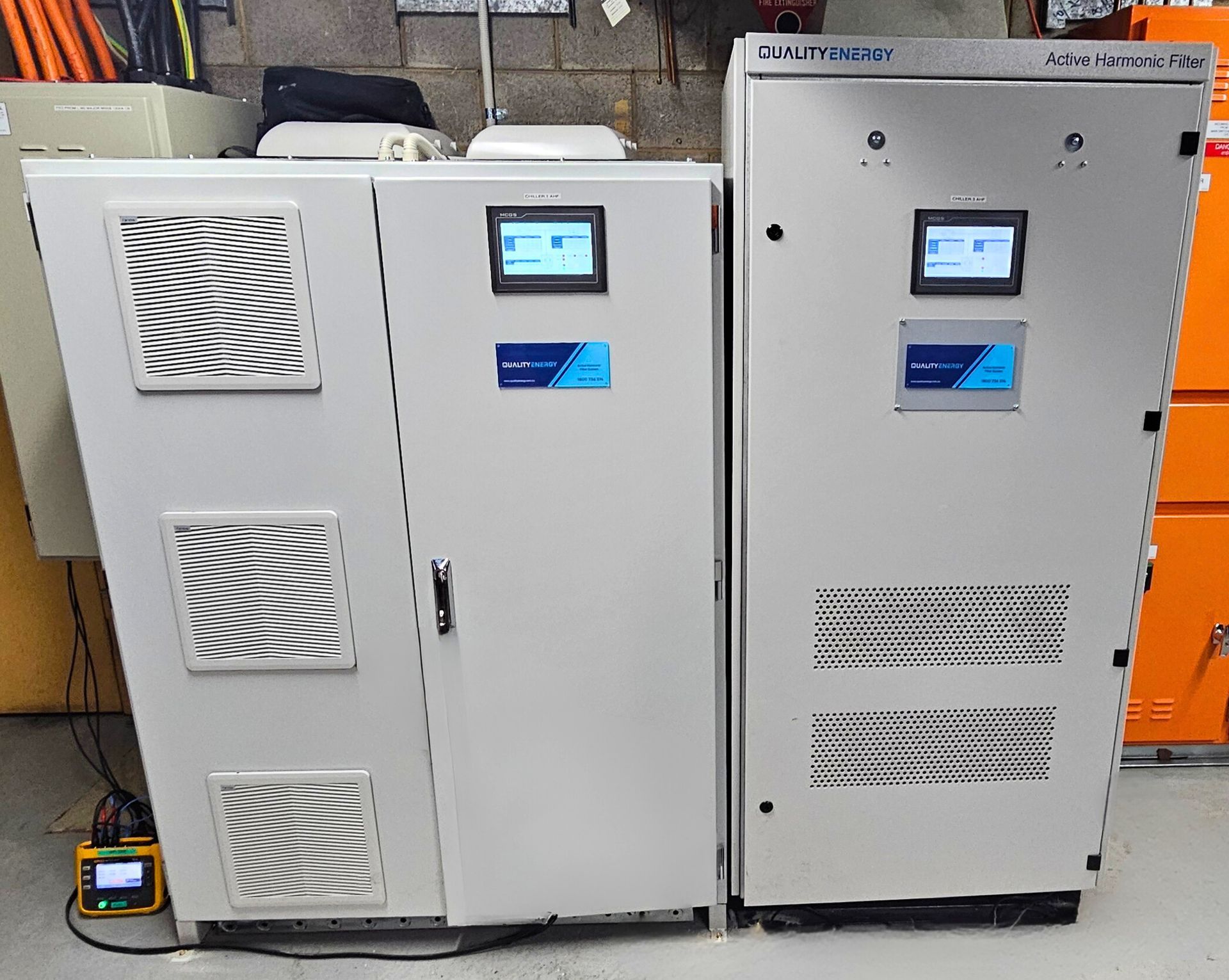
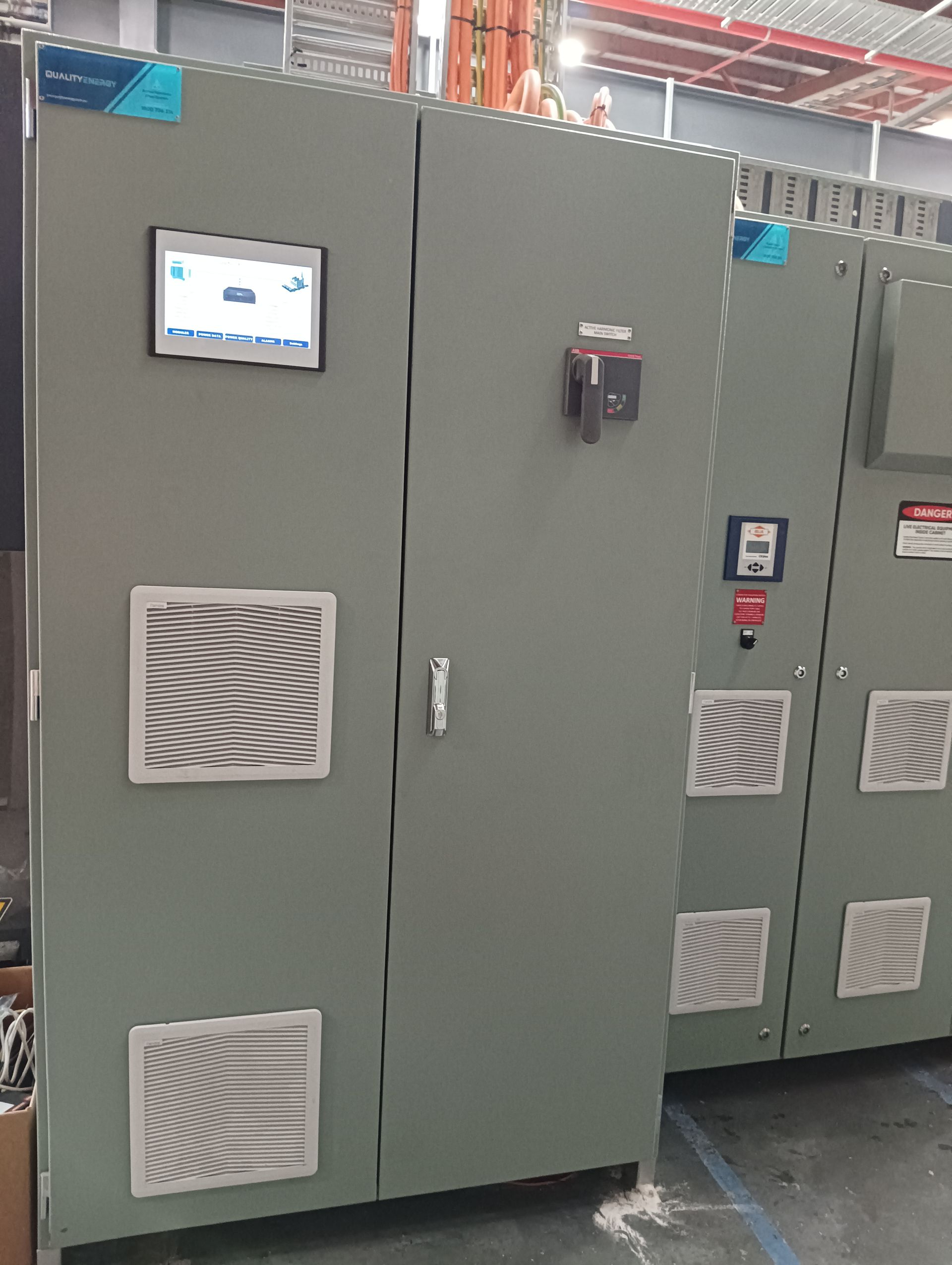
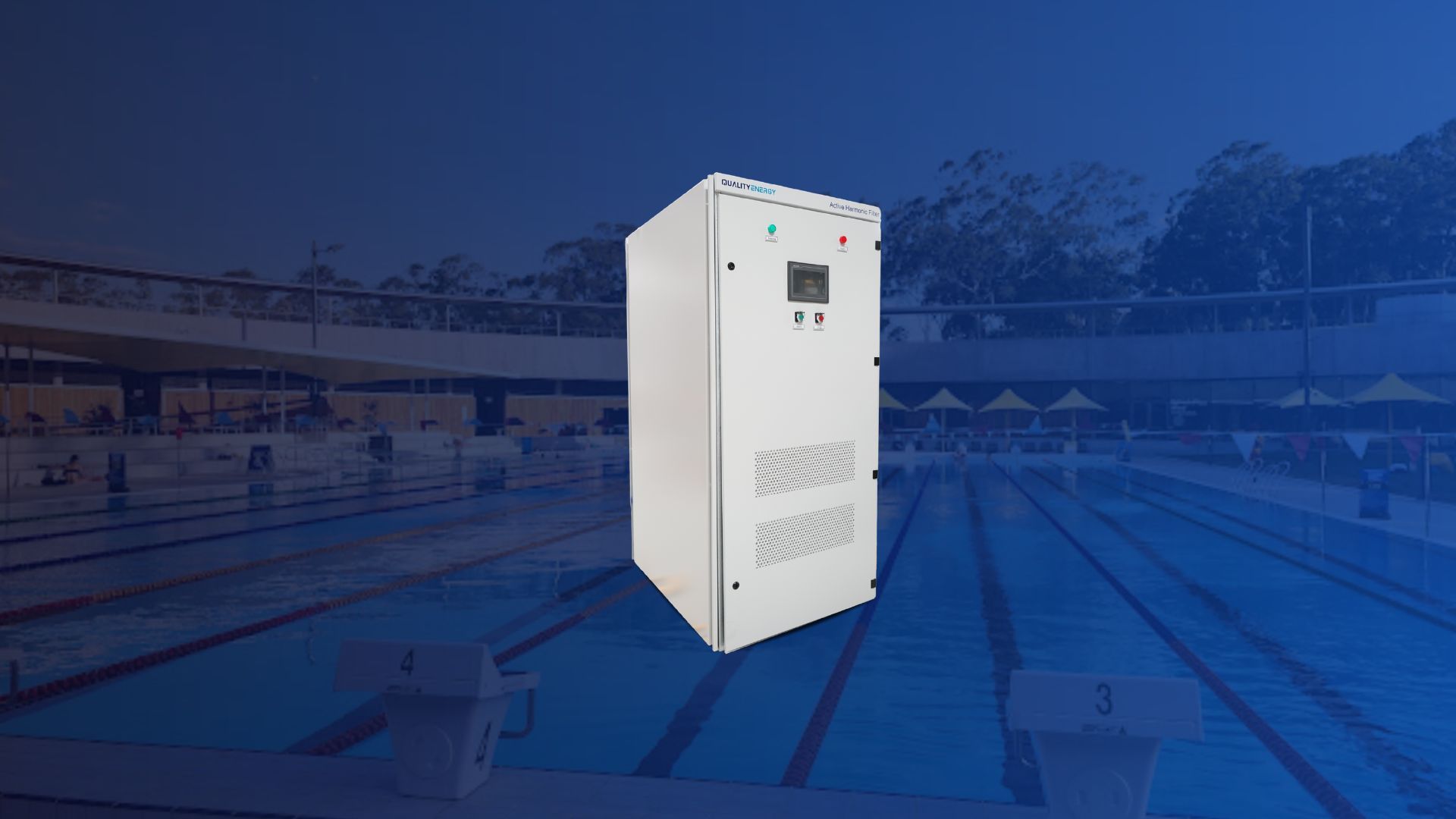
Active Harmonic Filters
Targeted
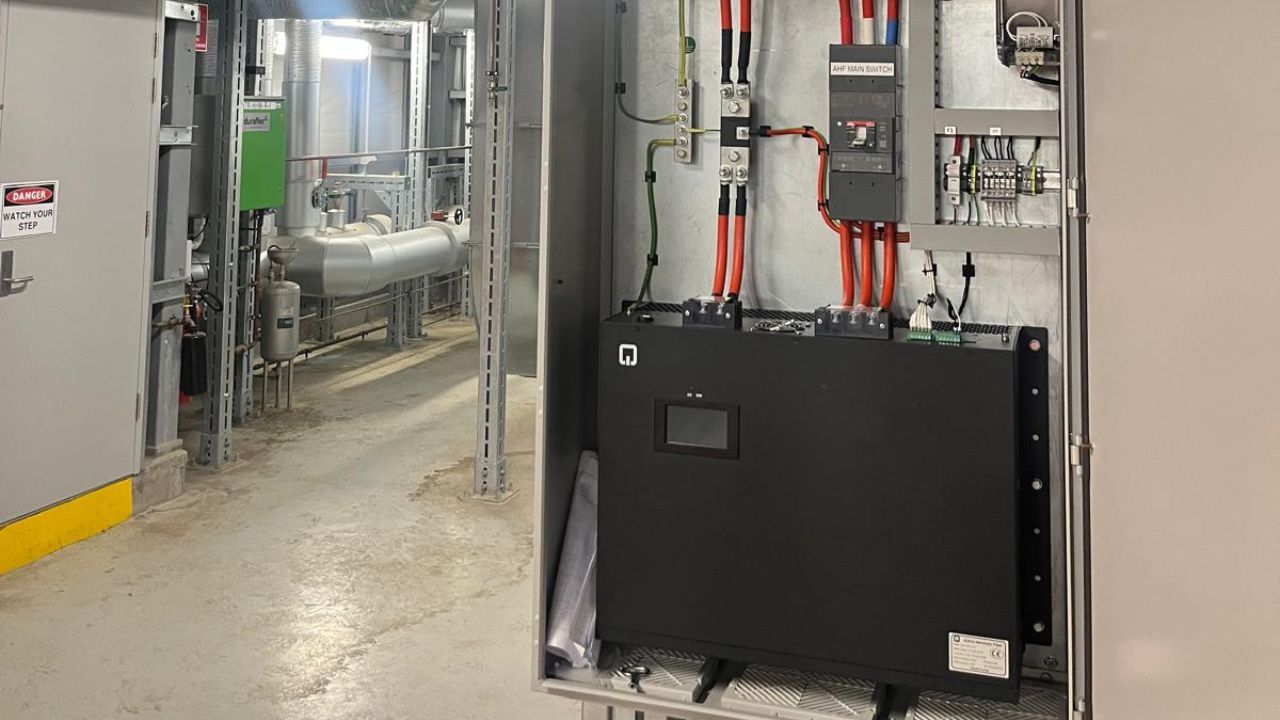
mitigation of harmonic currents generated by non-linear loads such as VSDs, welders and process equipment. Protects sensitive production machinery and ensures compliance with network harmonic limits.
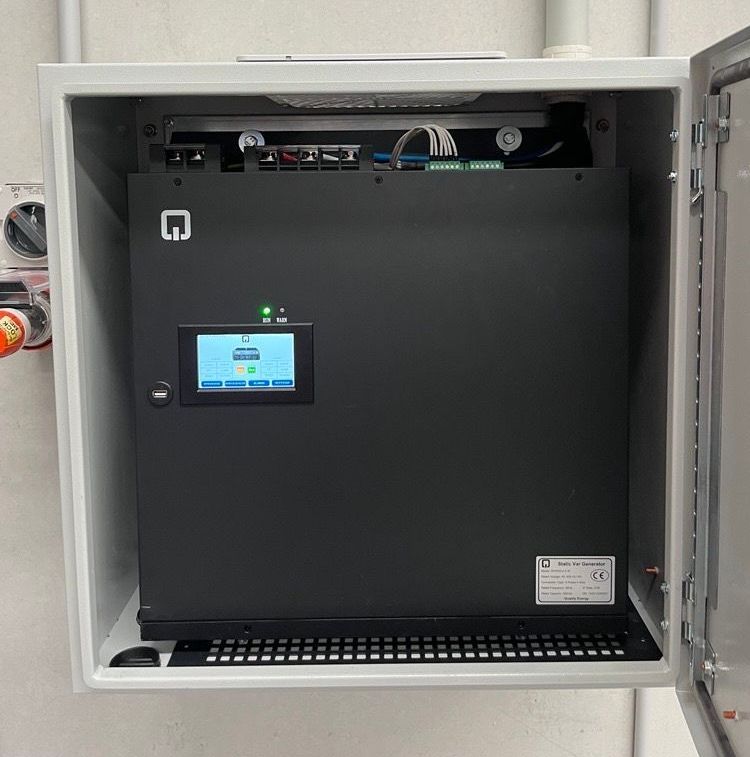
Static Var Generators
Fast-acting
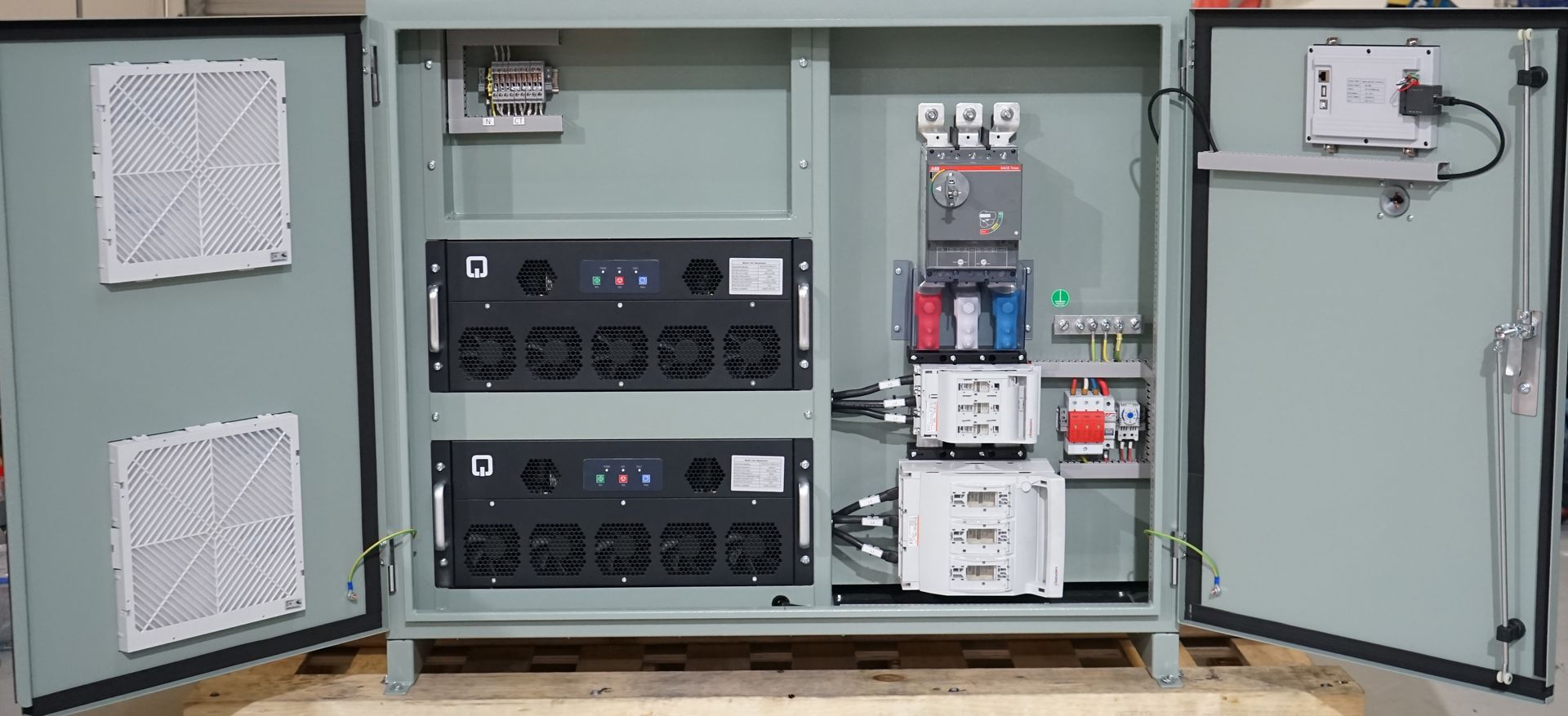
reactive power compensation that stabilises voltage, suppresses flicker and responds instantly to load changes. Ideal for facilities with welding equipment, large motors or other loads causing voltage fluctuation.
Quality Energy at Work in Australian Manufacturing
Bulla Family Dairy Achieves $660,000 Projected Savings
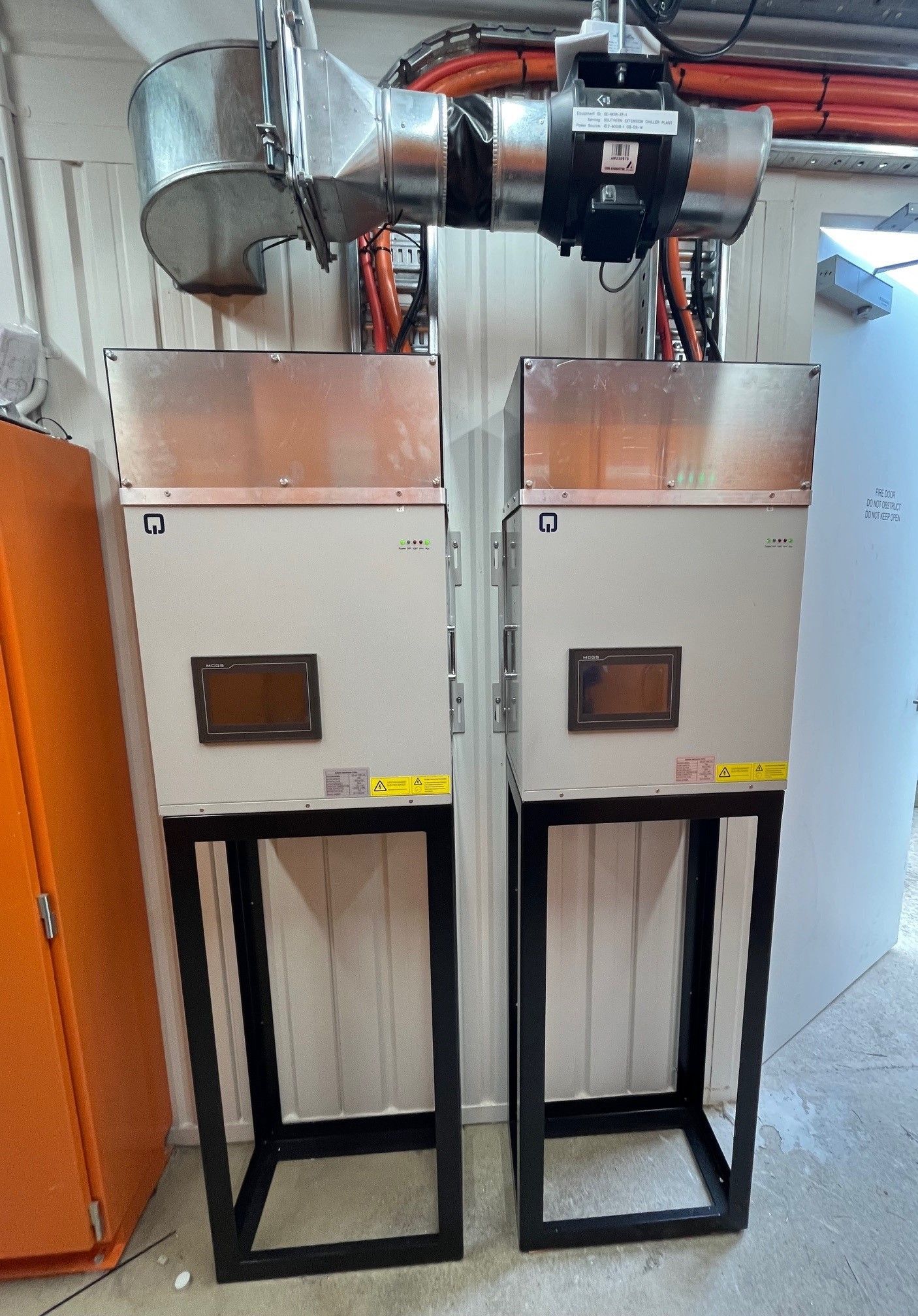
Bulla Family Dairy had operated third-party Power Factor Correction equipment at their Colac, Victoria plants for over 25 years. When it was identified that the existing equipment needed upgrading, Quality Energy designed, manufactured and commissioned custom PFC and Active Harmonic Filter solutions for both sites.
Power factor improved from 0.91 to 0.99 at one site and from 0.93 to 0.99 at the other. Harmonics were effectively mitigated across both locations. Bulla requested a reset of peak demand charges and is expected to save more than $660,000 over 10 years through the PFC installation alone.
David Moss Corporation Saves $8,500+ Monthly in Queensland
David Moss Corporation (DAMOS), a Queensland manufacturer of PE and PVC pipe and fittings for mining, industrial and agricultural sectors, wanted to install additional electrical equipment at their Geebung facility. The alternative was spending over $350,000 upgrading their transformer.
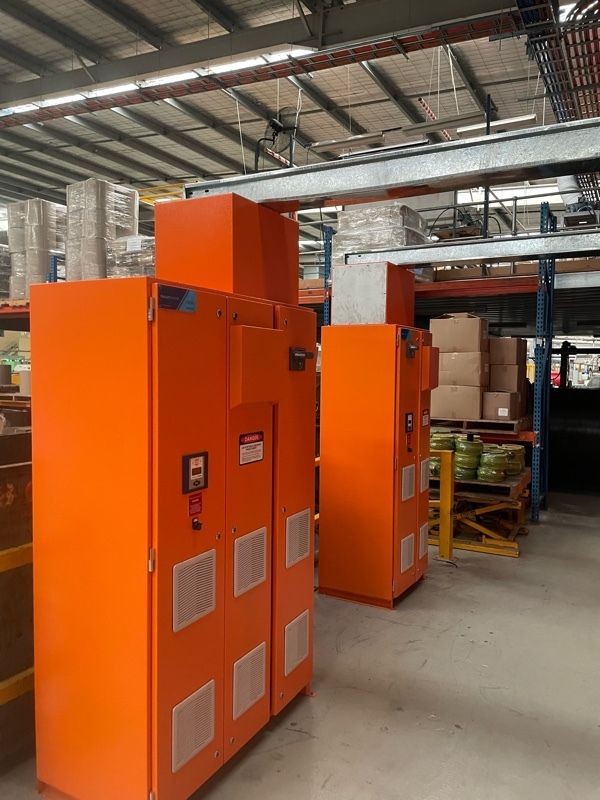
Quality Energy installed Power Quality Monitors and identified an extremely low power factor of 0.63. We recommended and installed 1.7MVAr of Power Factor Correction across two custom-designed units. Power factor improved to 0.99, reducing the site's total load by over 1,300 Amps. DAMOS now saves more than $8,500 per month in demand charges with an 18-month payback period, and was able to proceed with new equipment installation without infrastructure upgrades.
Jalna Eliminates Production Shutdowns at Thomastown Plant
Jalna engaged Quality Energy to investigate equipment issues at their Jalplas packaging manufacturing division in Thomastown, Victoria. Production was being interrupted by machinery malfunctions with no clear cause.
Electrical data monitoring revealed high harmonic currents in the factory's power system, with Total Harmonic Distortion at 35.81%. Quality Energy designed and installed a customised 200 Amp Active Harmonic Filter, reducing THD to 4.42% and eliminating the equipment problems and shutdowns that had been disrupting production.
Barry Callebaut Combines Solar and Power Factor Correction
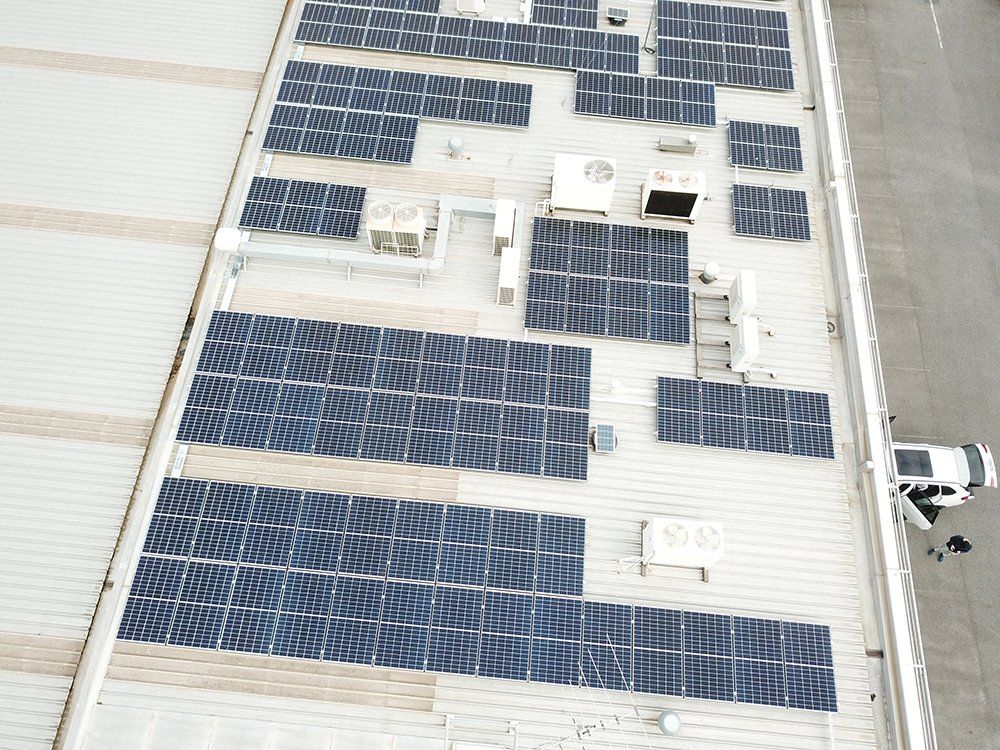
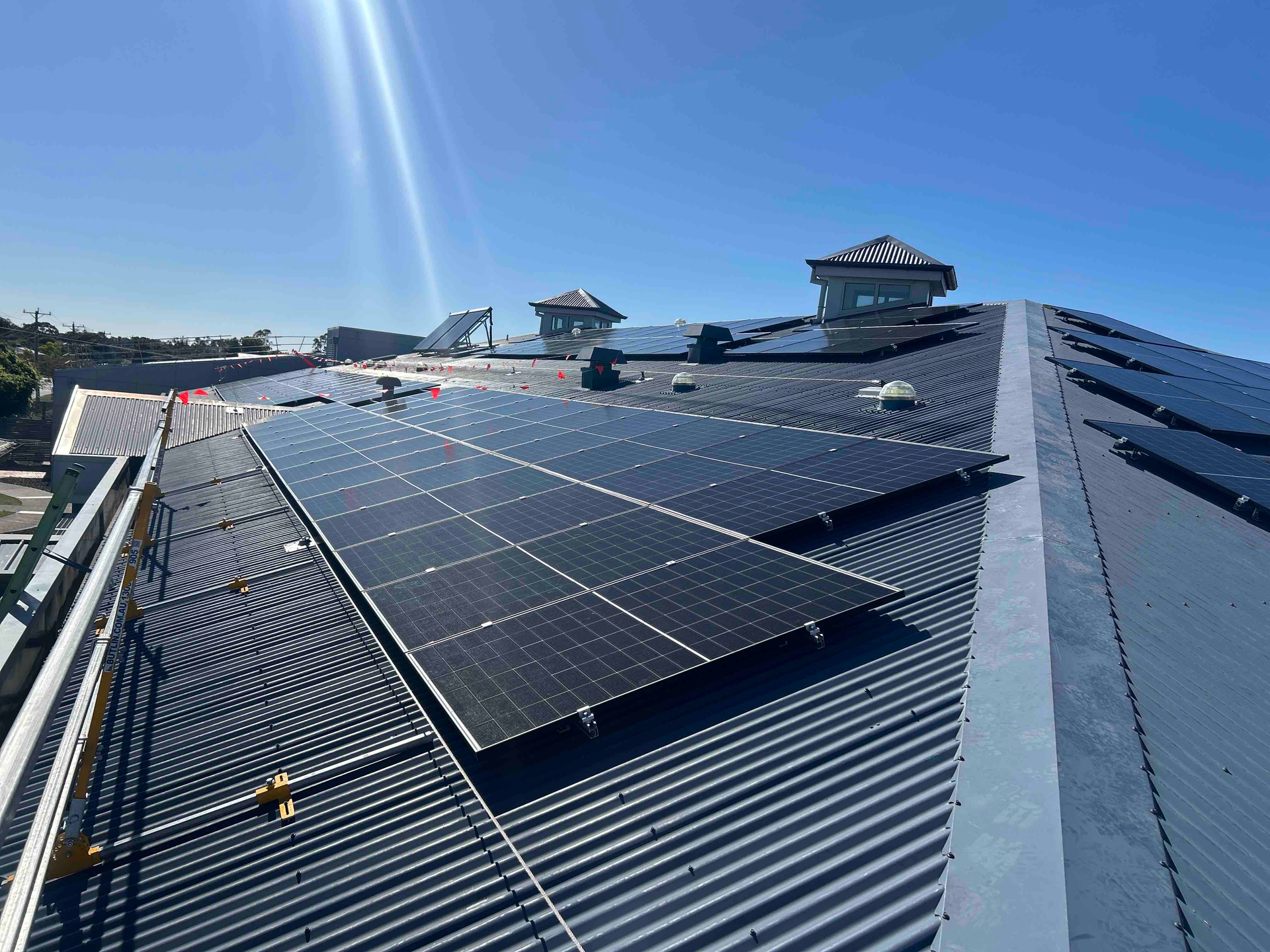
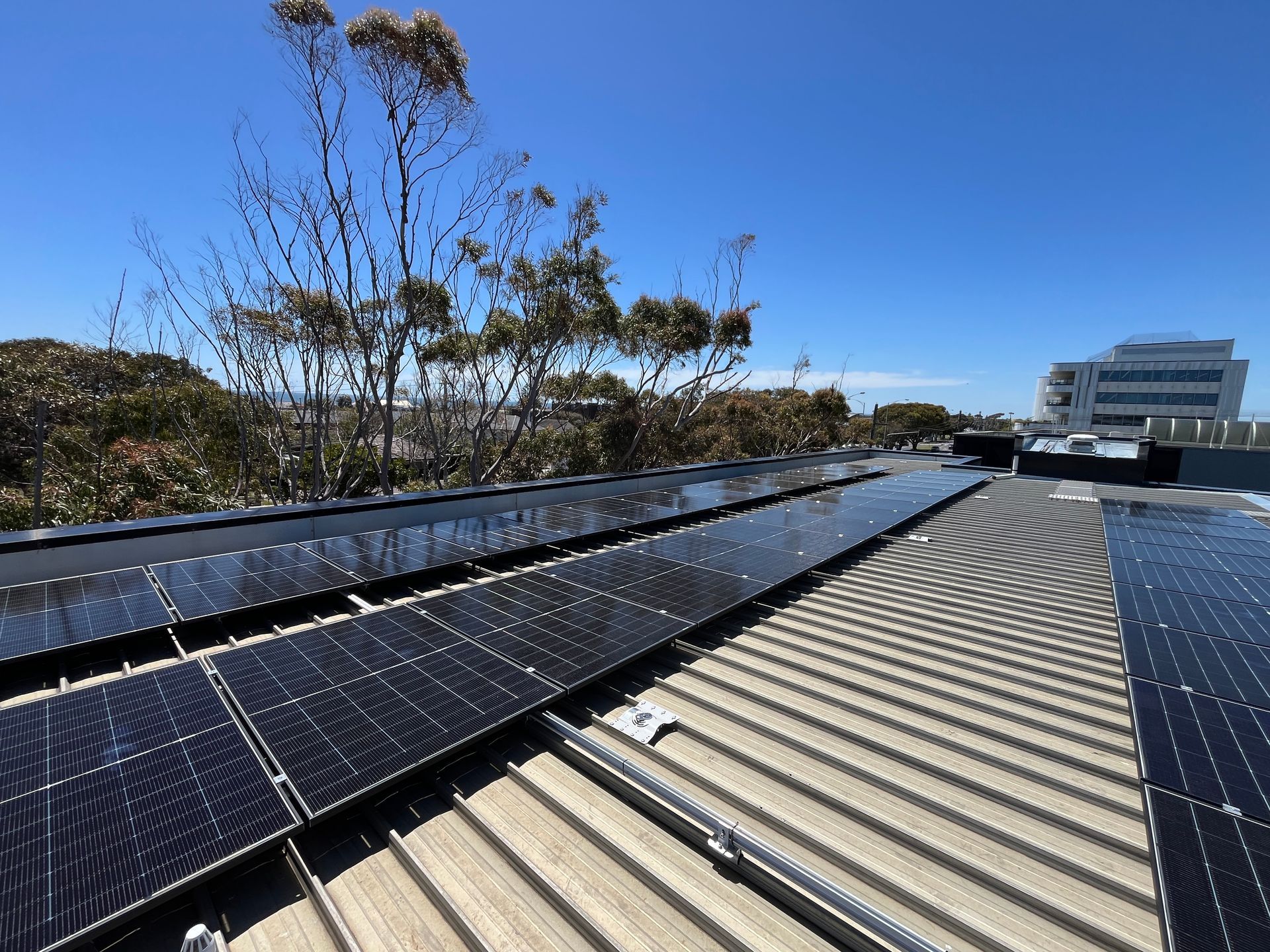
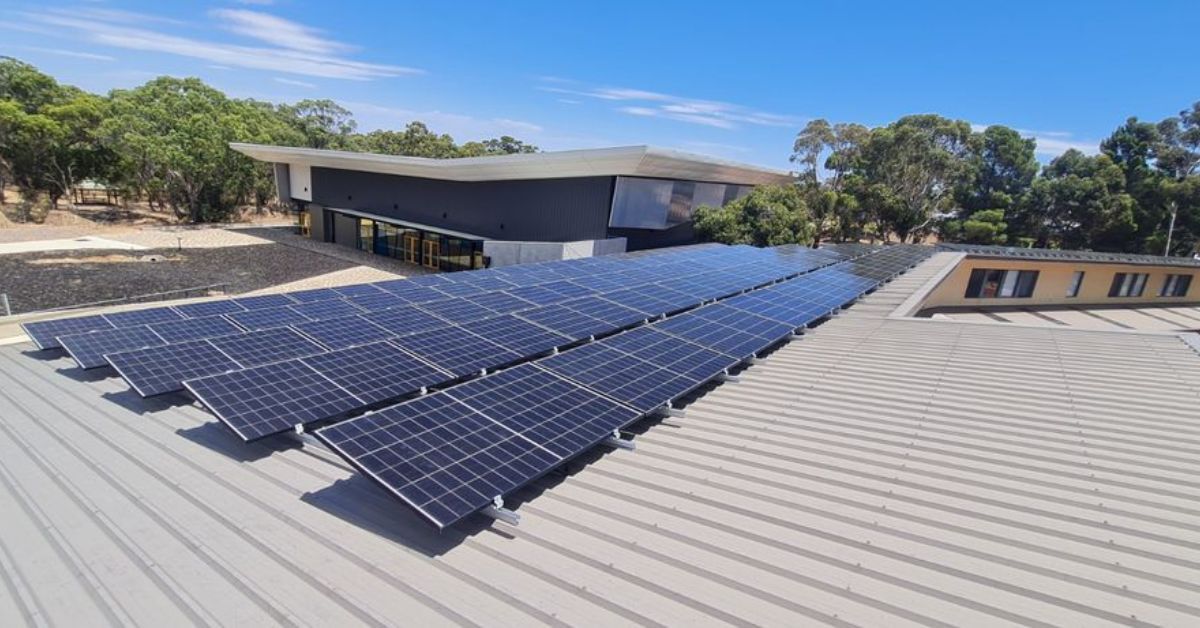
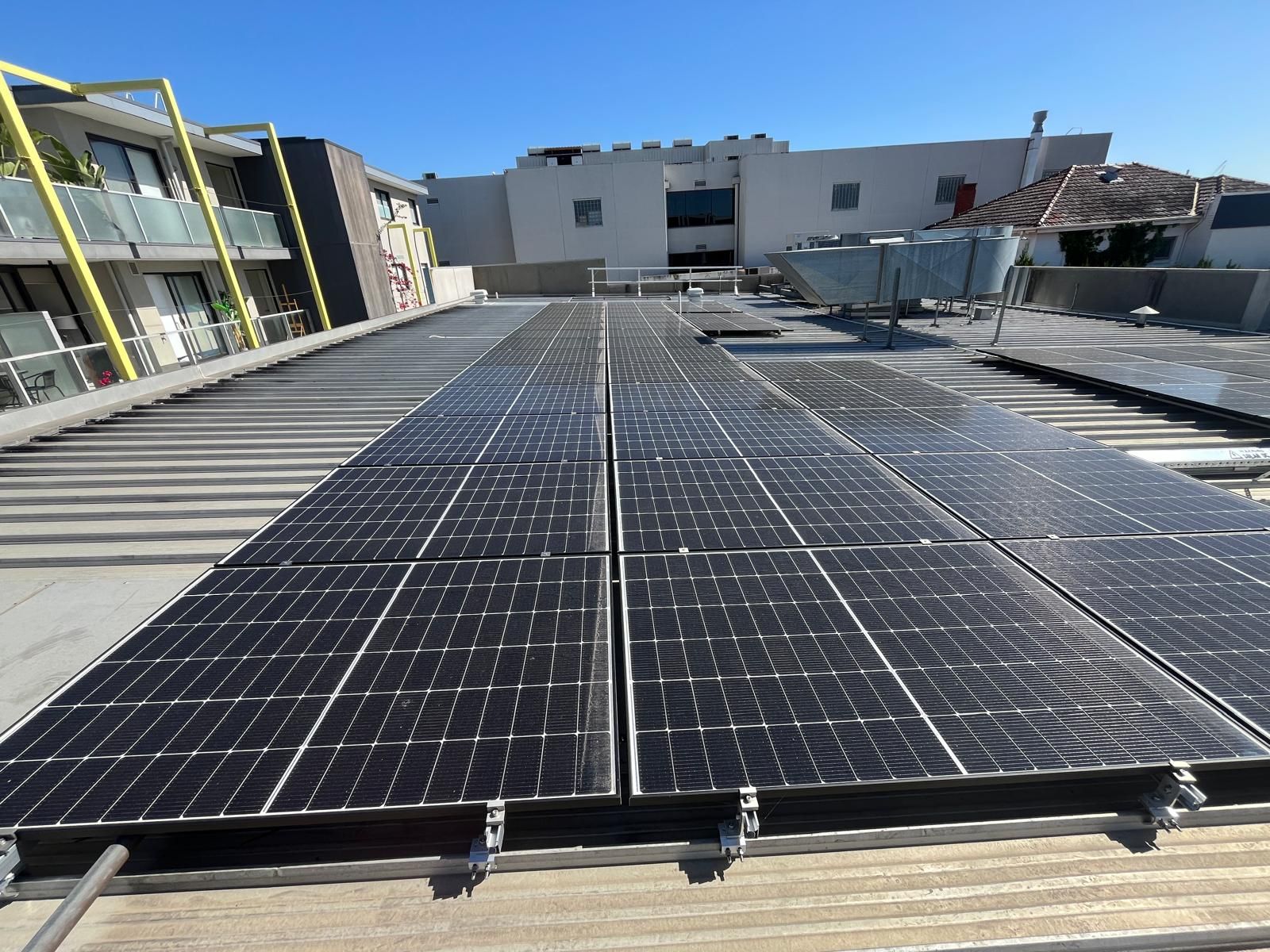
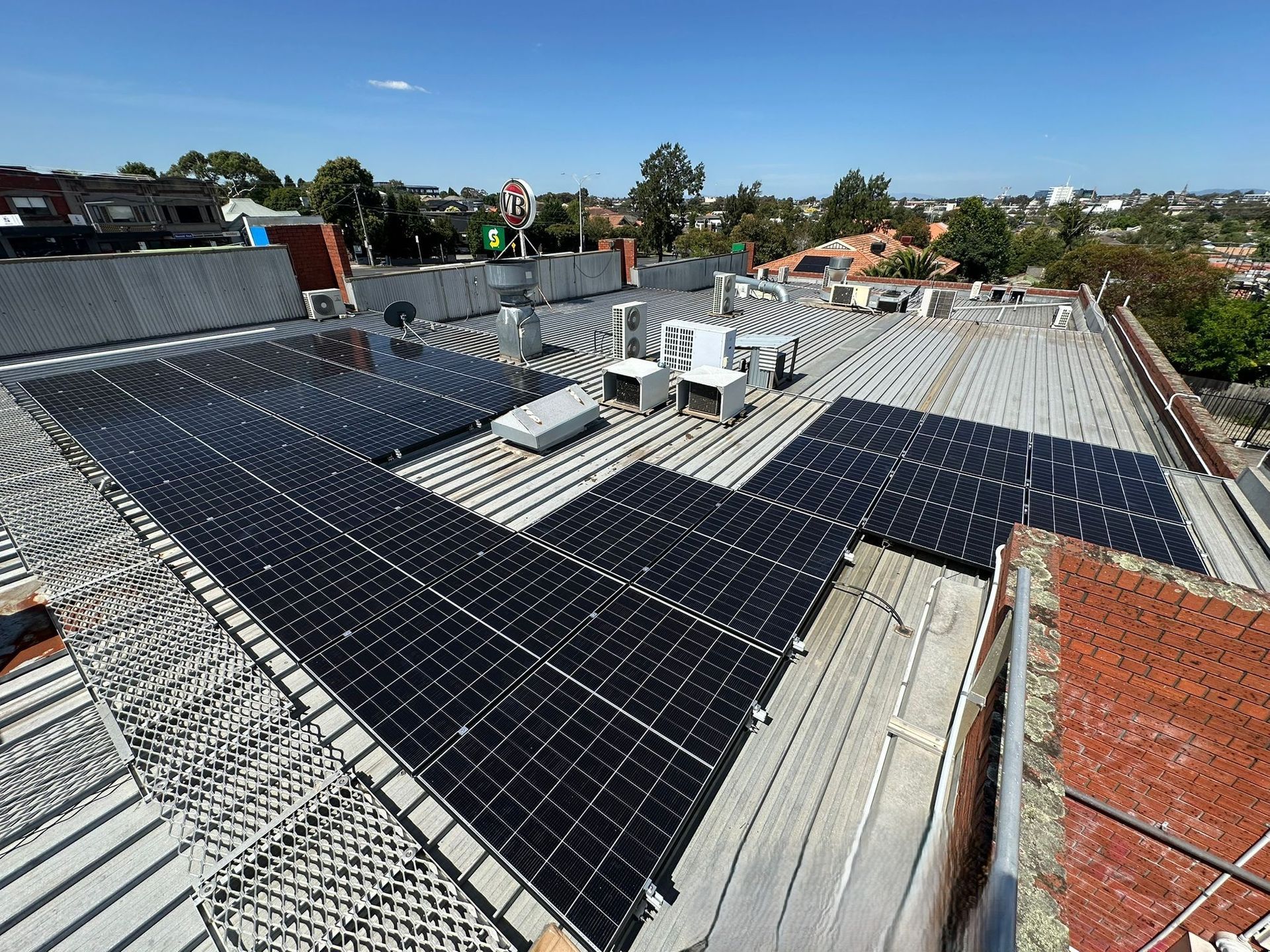
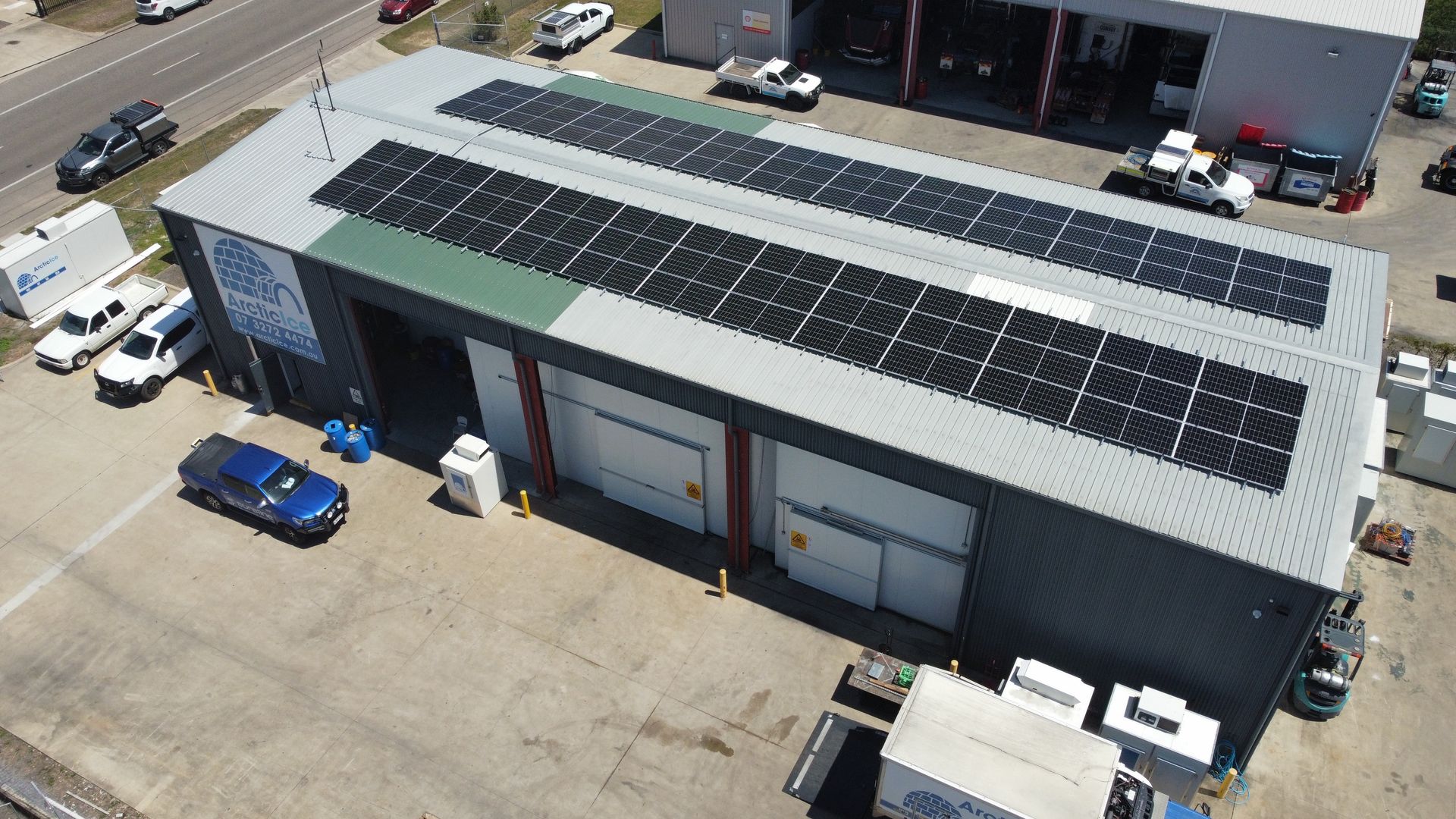
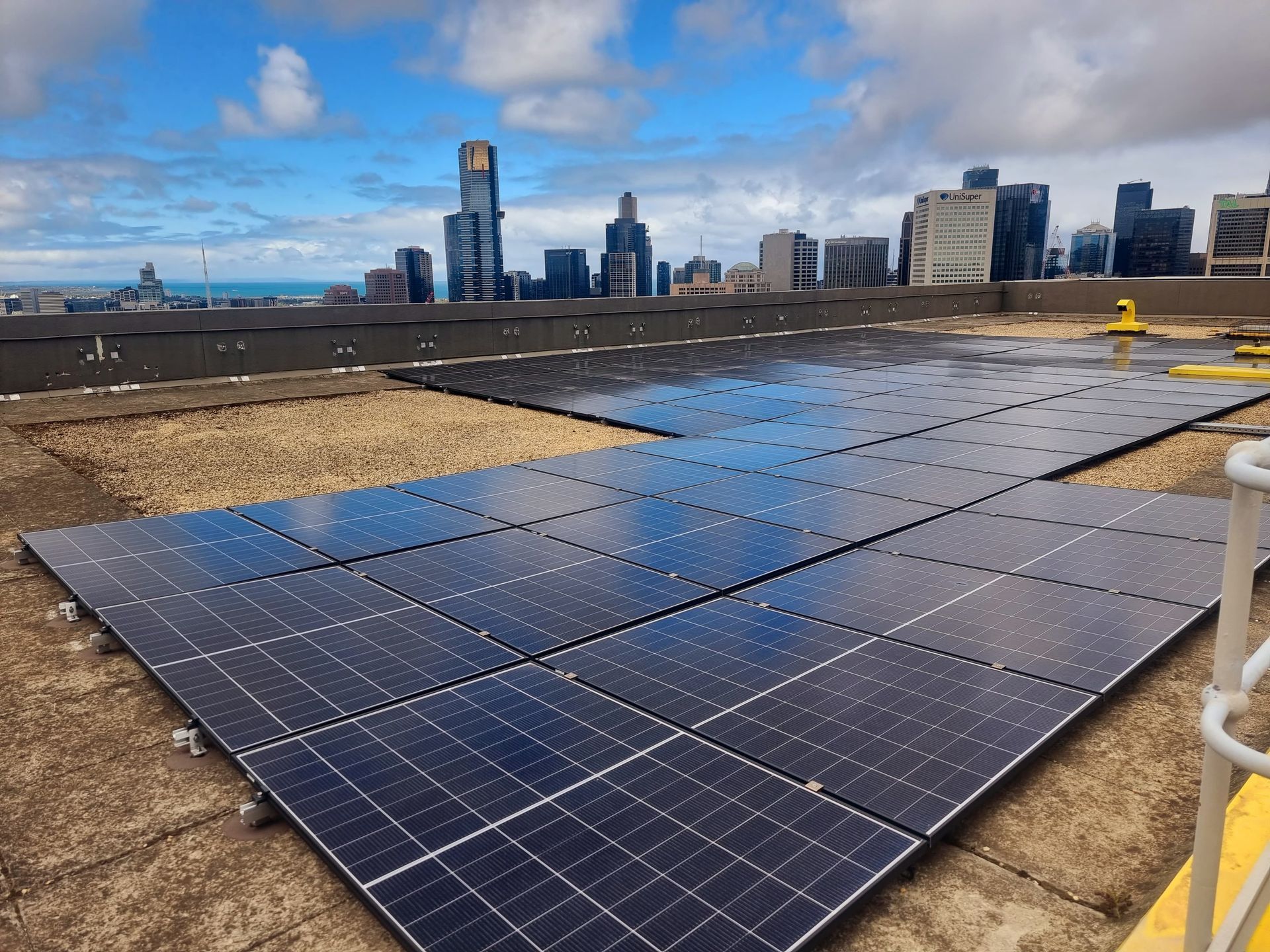
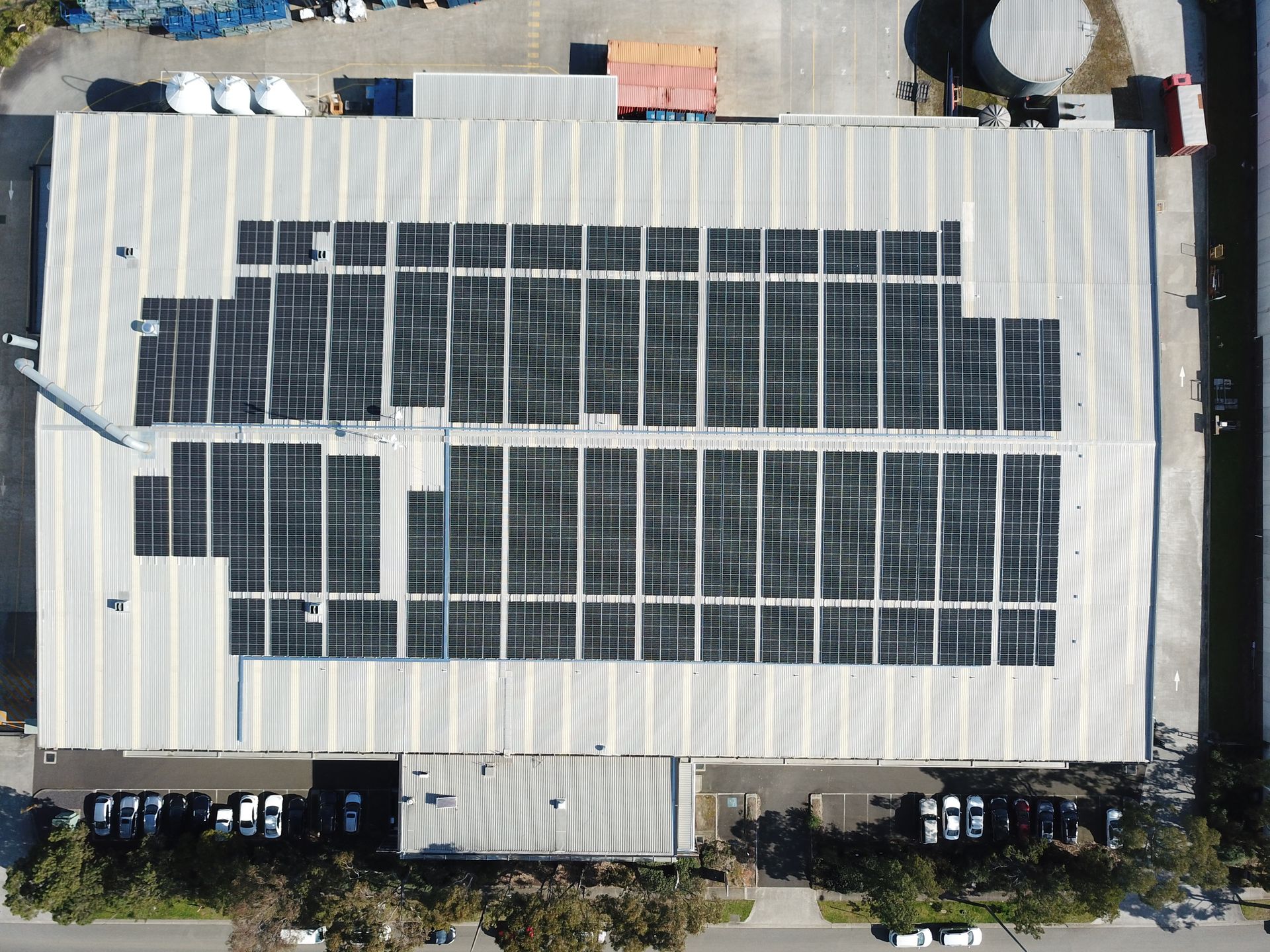
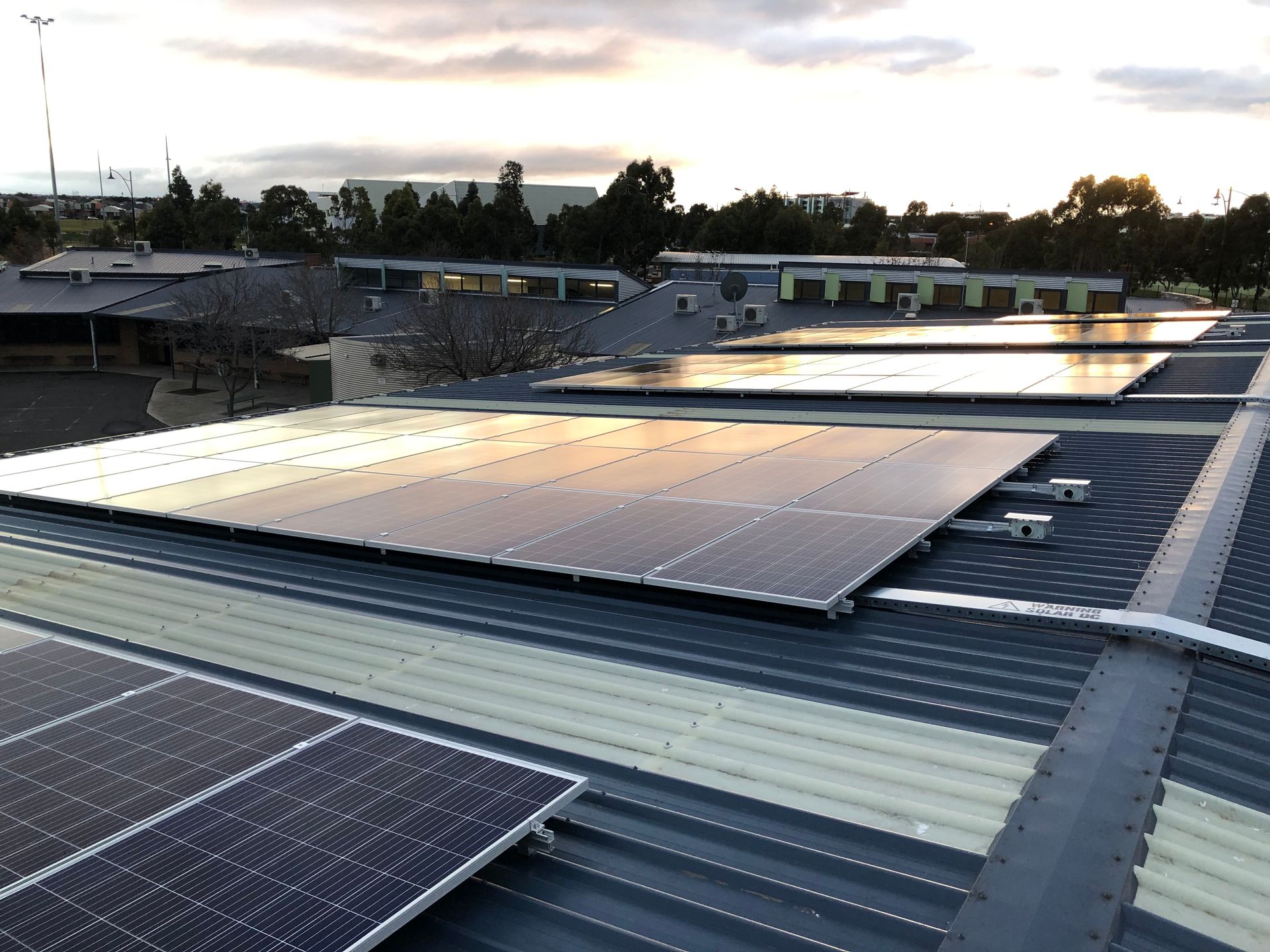
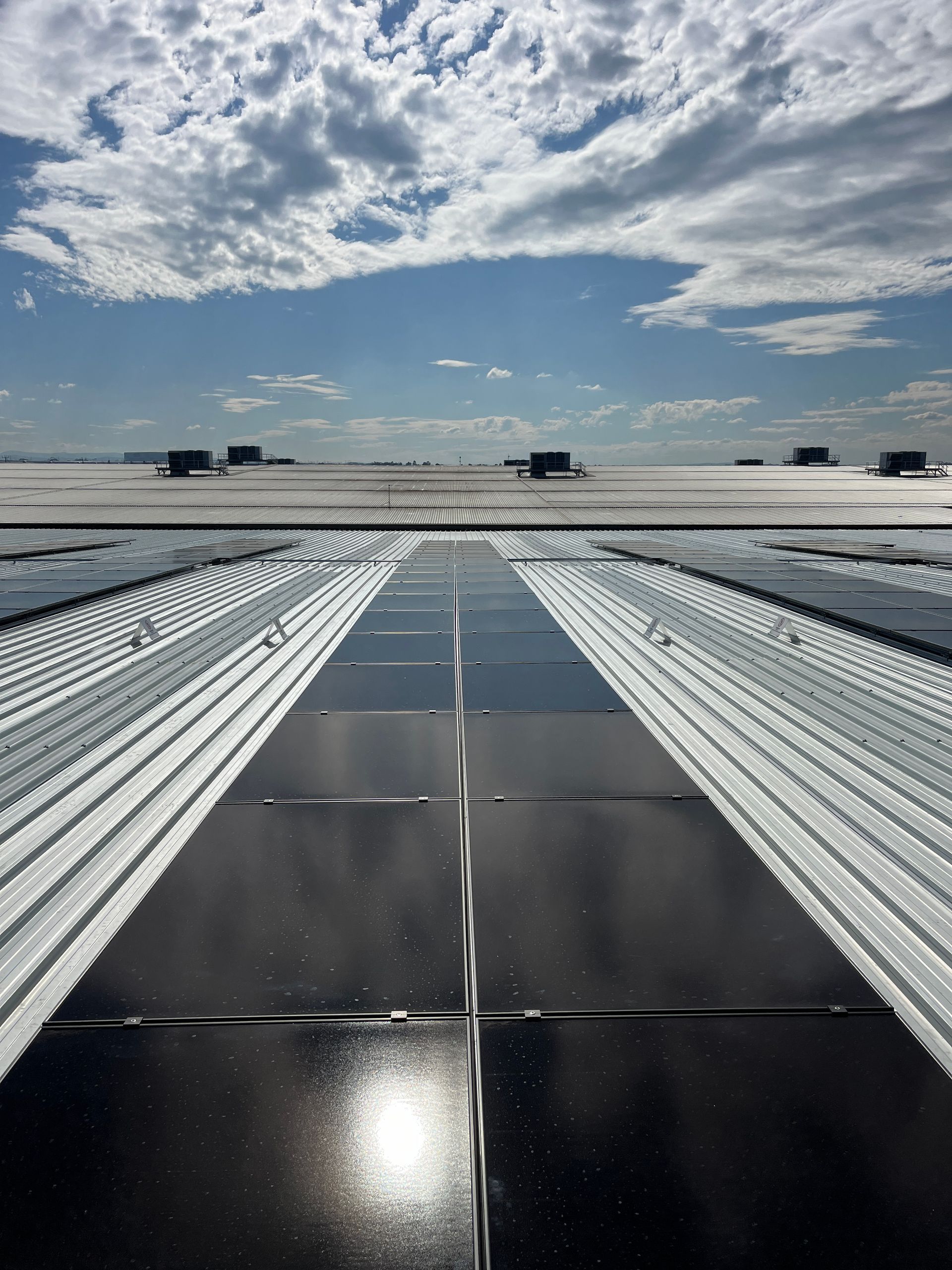
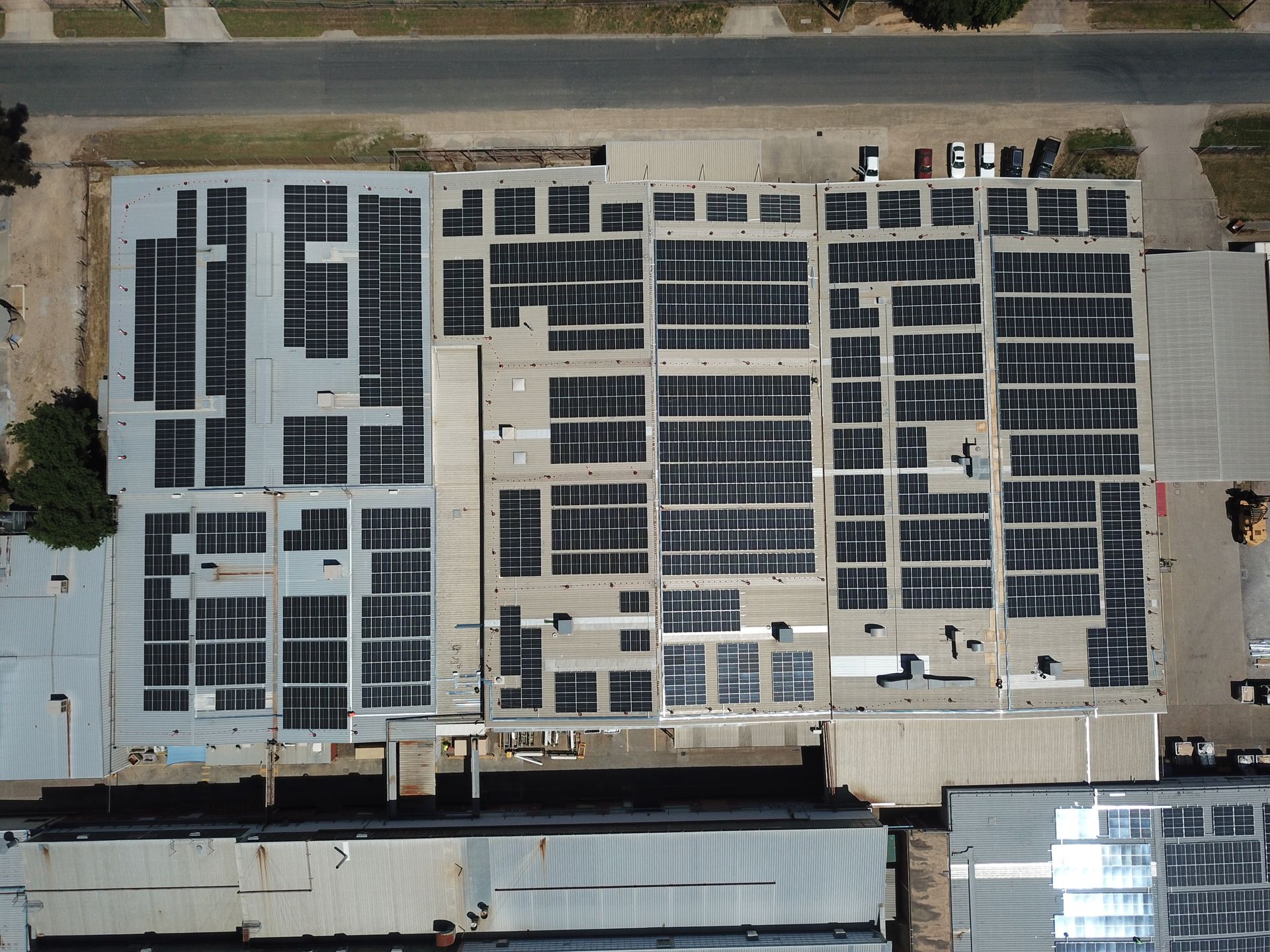
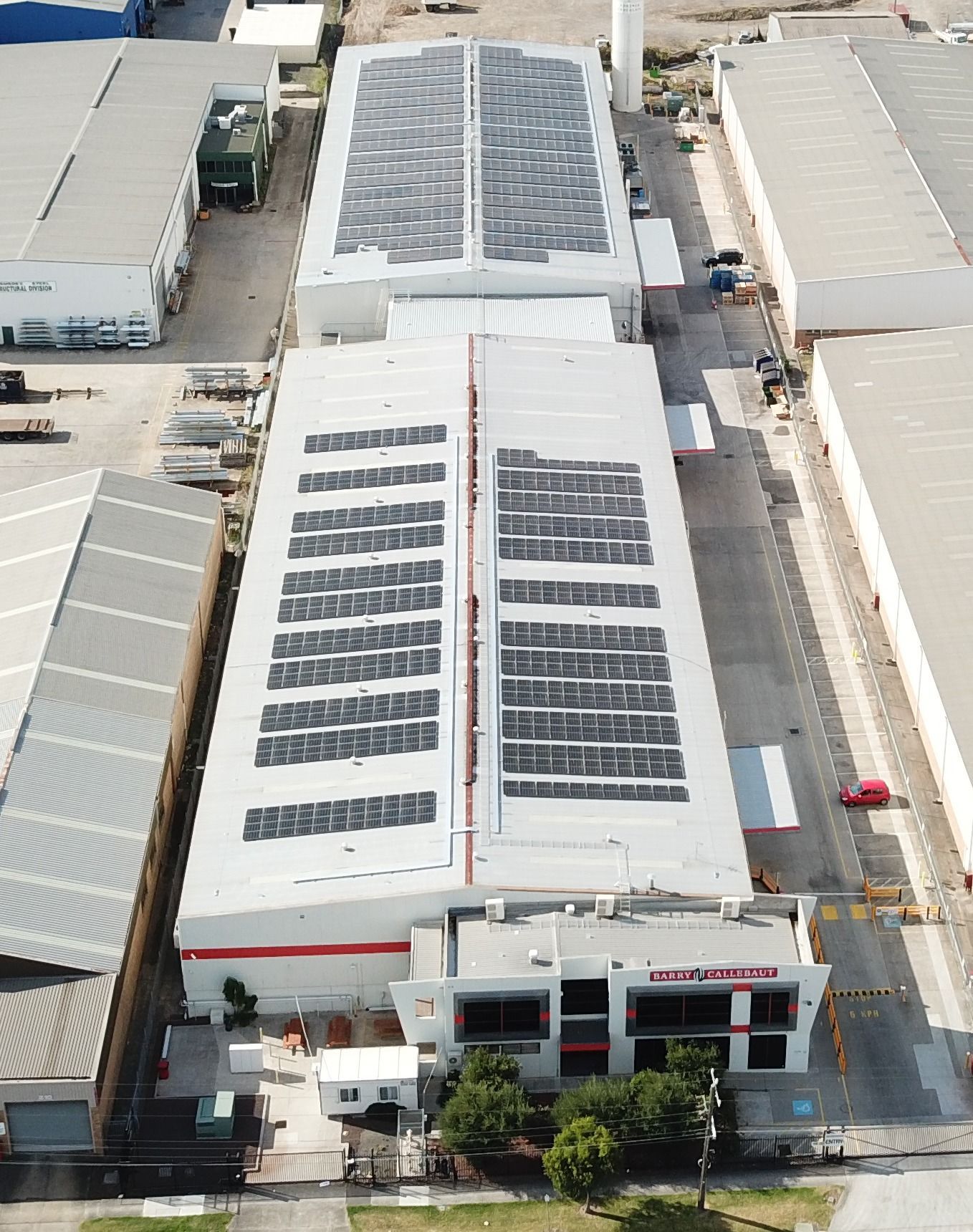
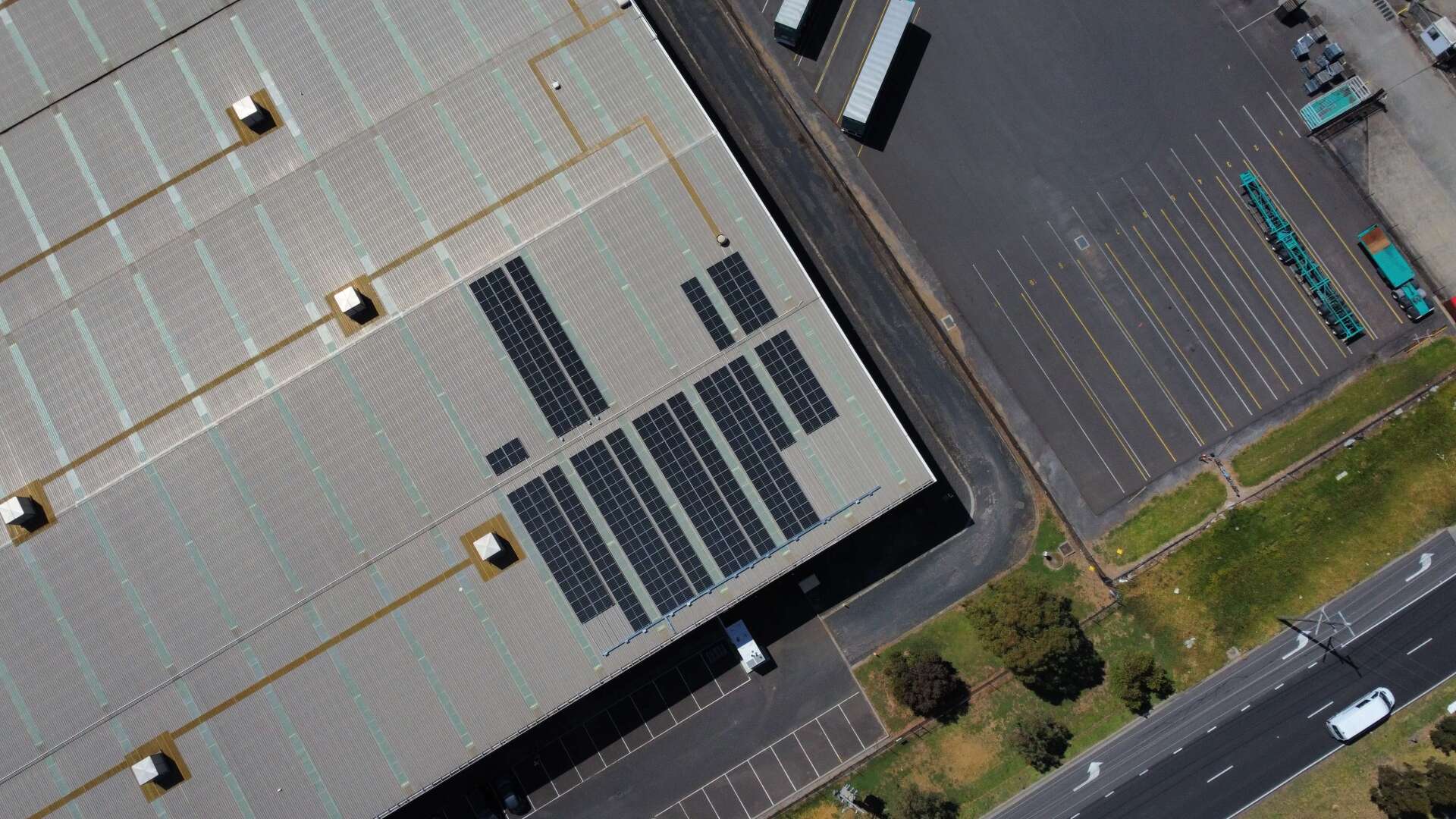
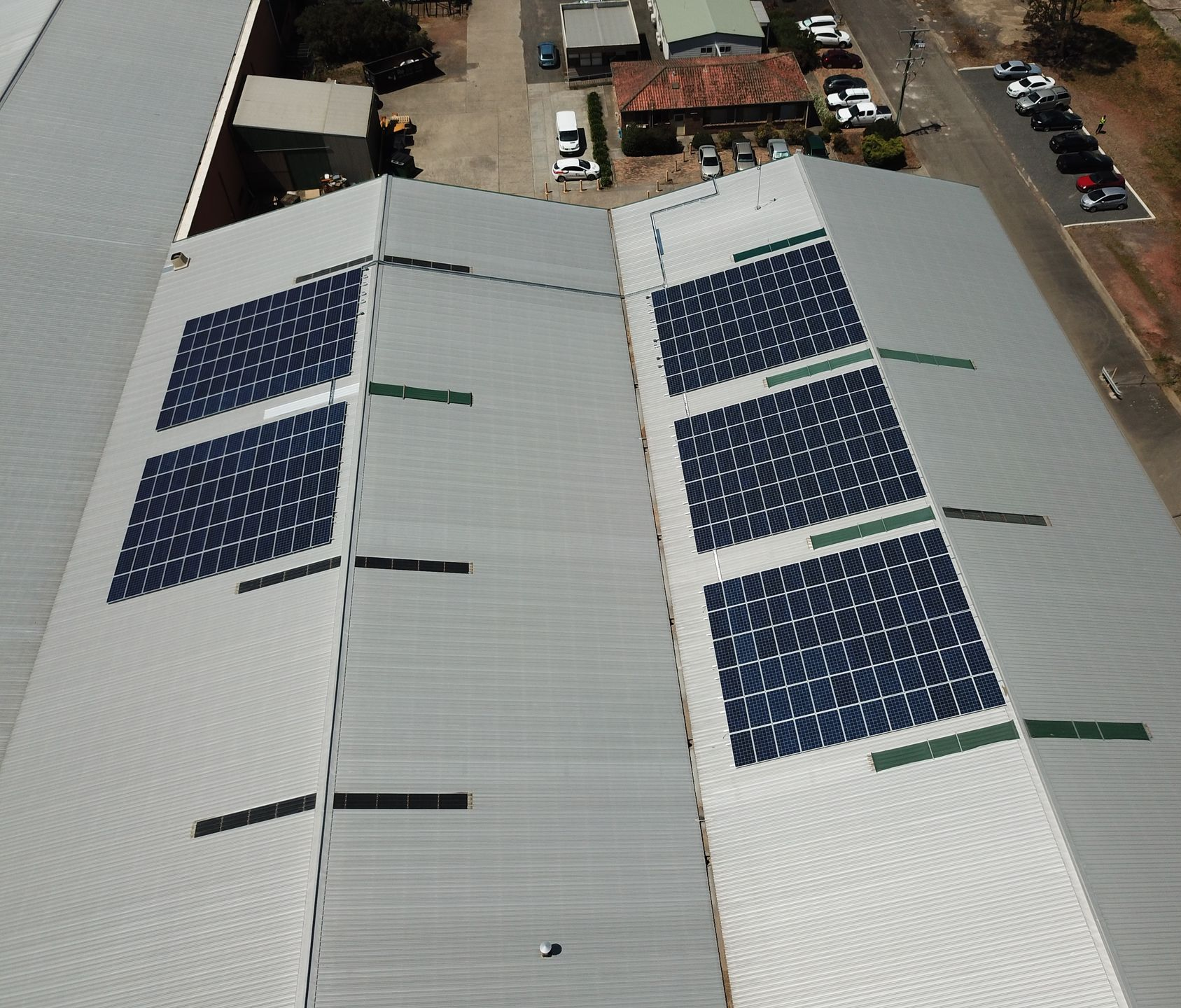
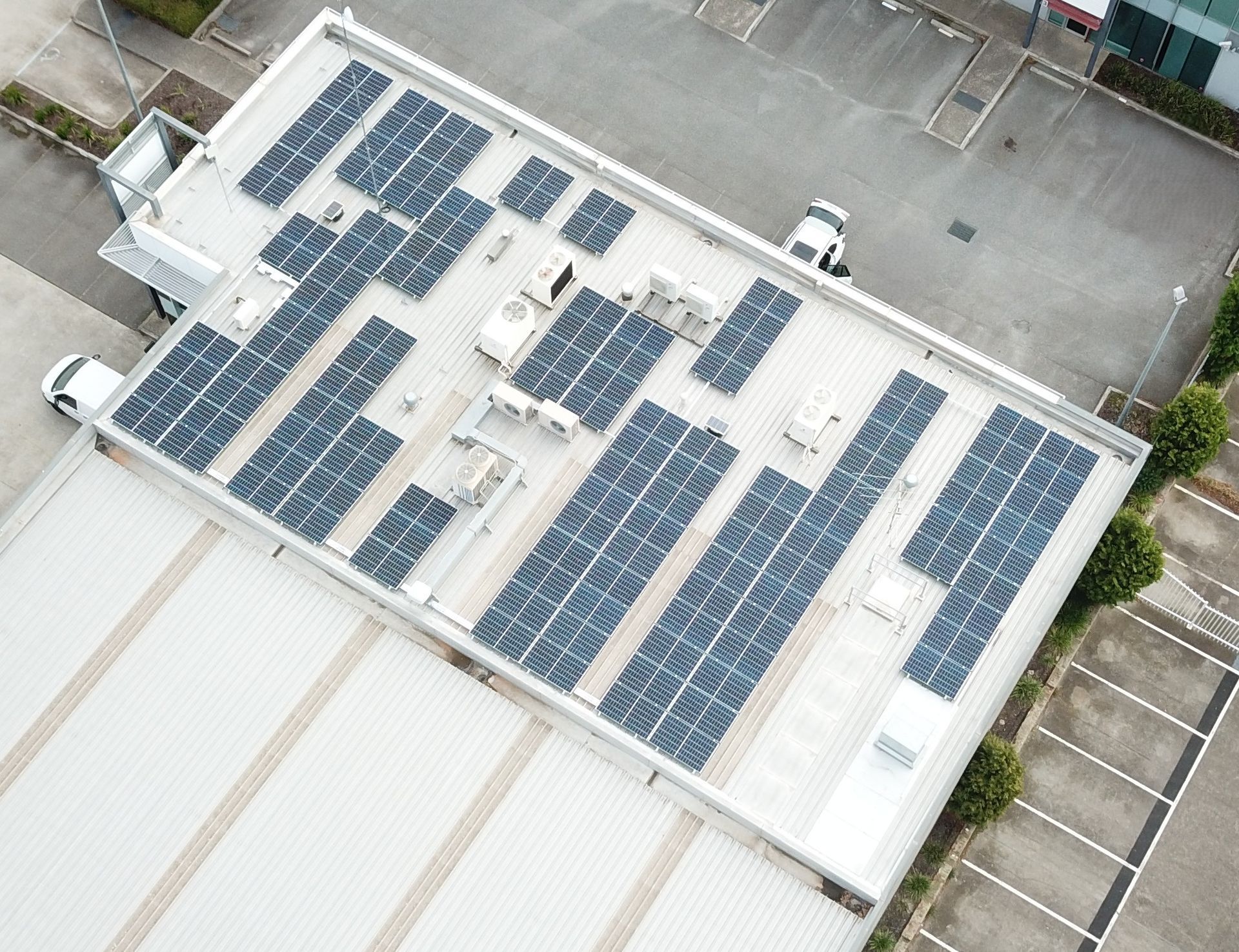
Barry Callebaut, the world's leading chocolate and cocoa manufacturer, sought to improve energy efficiency at their Campbellfield, Victoria factory. Quality Energy installed a 568kW solar PV system expected to produce 690,815kWh in its first year, alongside a 175kVAr Power Factor Correction unit.
The combined solution delivers energy cost reduction, improved efficiency and environmental benefits with a projected five-year return on investment.
Frequently Asked Questions
Why are my manufacturing facility's demand charges so high?
Demand charges are based on the peak kVA your facility draws from the network. Poor power factor means your facility draws more apparent power than it uses, inflating demand charges. Power Factor Correction reduces reactive power demand and can significantly lower these charges, often with payback periods under two years.
What causes harmonic distortion in manufacturing facilities?
Harmonics are generated by non-linear electrical loads. In manufacturing, common sources include variable speed drives, welding equipment, CNC machines, process heating systems and LED lighting. High harmonic levels can cause equipment malfunctions, overheat transformers and exceed network compliance limits.
How do I know if my facility has a power quality problem?
Signs include unexplained equipment failures, circuit breaker trips during production, overheating switchboards or motors, rising demand charges and network operator warnings. A Power Quality Audit provides measured data to identify exactly what's happening and where.
Can power quality improvements help avoid switchboard upgrades?
Yes. Poor power factor and harmonic distortion reduce the usable capacity of transformers and switchboards. Improving power quality can free up significant capacity for additional loads without costly infrastructure upgrades. In some cases, manufacturers have avoided switchboard upgrades, additional cost savings for the business.
Will installation disrupt production?
We plan all work around production schedules. Power Quality Audits are completely non-intrusive and monitoring equipment is installed without interrupting supply. Equipment is manufactured and tested at our Moorabbin factory before delivery, minimising on-site installation time.
How long does it take to see savings from Power Factor Correction?
Savings appear on your next electricity bill after commissioning. Most manufacturing facilities see payback periods of 12 to 24 months depending on the size of the installation, existing power factor and current demand charges.
How often does Power Factor Correction equipment need servicing?
We recommend annual PFC equipment servicing to check capacitor health, contactor condition and controller settings. Regular servicing extends equipment life and maintains optimal performance. Quality Energy provides servicing for both our own equipment and third-party installations.
Can power quality solutions help with sustainability reporting?
Improving power factor and reducing demand charges also reduces the amount of electricity your facility draws from the grid, supporting carbon reduction goals.
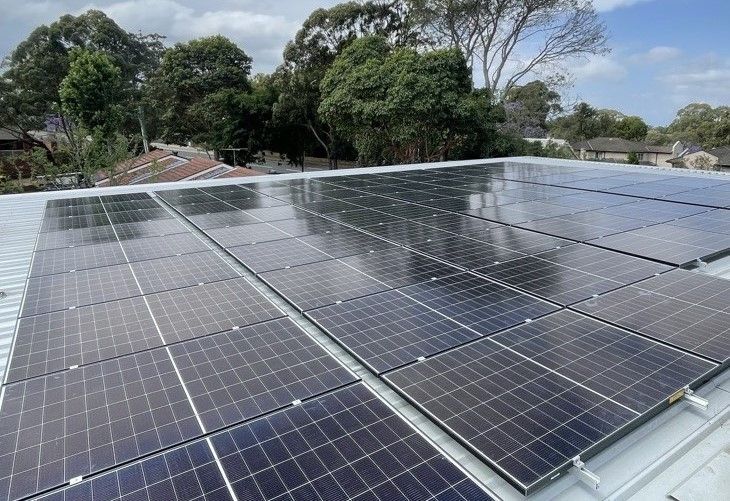
Solar installations provide additional sustainability benefits with measurable CO2 offset figures for reporting purposes.
Why Partner with Quality Energy?
Quality
Premium quality components sourced from accredited suppliers. All solutions are manufactured in our factory at Moorabbin and go through rigorous Factory Acceptance Testing (FAT) before installation.
Safety
Safety is our top priority. Our technicians and contractors undergo regular professional and safety training to ensure the safety of our clients and your property.
Efficiency
Our in-house engineering team, electrical technicians and operations team work together using electrical data that is unique to your energy use profile to deliver your Power Quality and energy efficiency solutions on time, on budget.
Recent Projects









Take a Proactive Approach to Manufacturing Power Quality
Book a Power Quality Audit to identify risks, reduce energy costs and protect your production equipment before issues affect output and margins.